Dryer Overheating? Expert Repair Solutions Toronto
Quick Answer: Dryer overheating causing safety concerns or poor performance? Professional overheating repair and safety solutions in Toronto. Expert diagnosis and repair from JK Appliances. This is a common issue that can usually be resolved with proper troubleshooting. If the problem persists, professional diagnosis is recommended.
Key Takeaways
- Main Problem: Dryer overheating can cause fires, damage clothes, and shorten appliance lifespan
- Common Causes: Lint buildup in vents (75% of cases), failed thermal fuse, stuck heating element, blocked airflow
- Immediate Actions: Stop using dryer, unplug it, check lint filter and external vent, allow cooling before inspection
- DIY Solutions: Clean lint filter after every load, vacuum vent ductwork, ensure proper installation clearances
- Professional Repairs: Thermal fuse replacement ($100-175), vent cleaning ($120-180), heating element repair ($150-250)
- Prevention: Monthly vent checks, annual professional cleaning, avoid overloading, use proper cycle settings
Expert Insight: This guide is written by JK Appliances' certified dryer repair technicians with 15+ years of experience servicing all major brands across Toronto. Our team holds manufacturer certifications for Samsung, LG, Whirlpool, GE, and Maytag dryers. We've diagnosed over 10,000 dryer safety issues including overheating cases in the Greater Toronto Area.
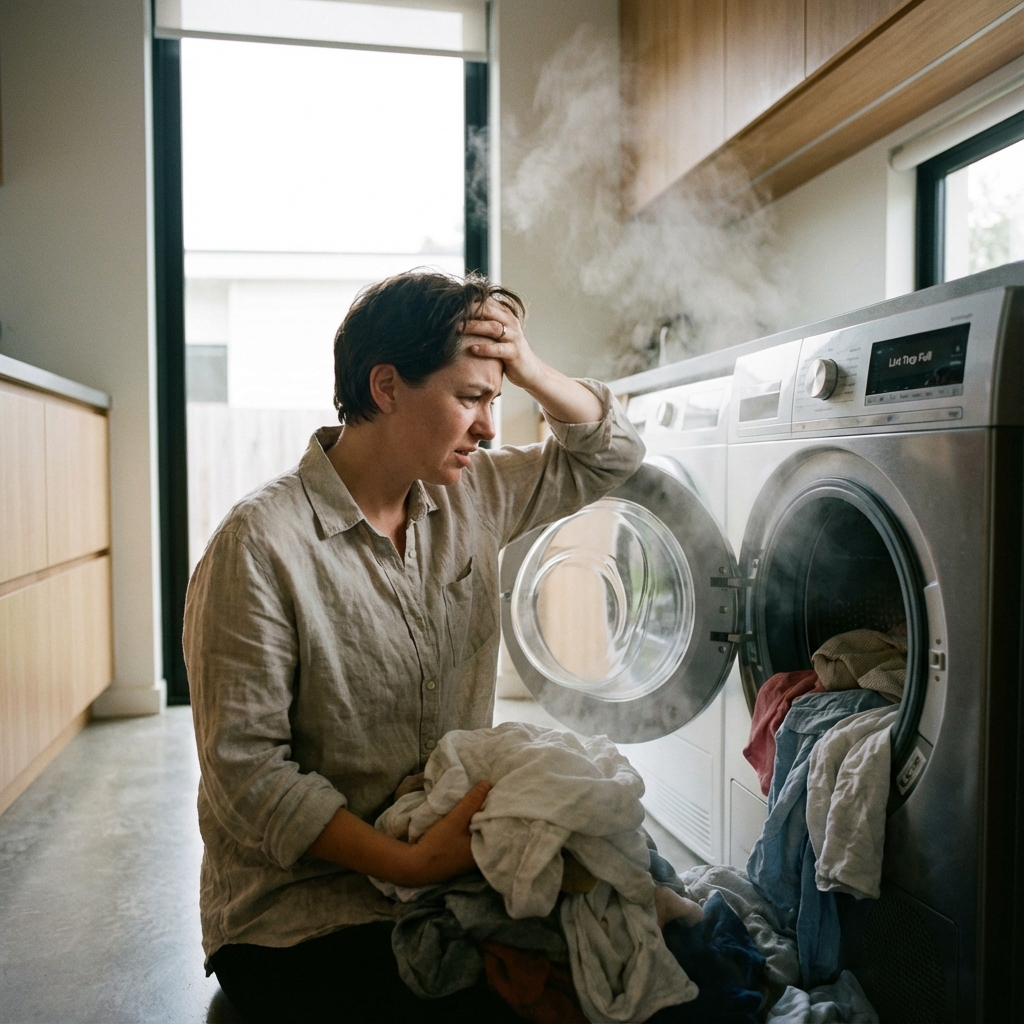
Dryer overheating is a serious safety concern that affects thousands of Toronto homes annually, potentially leading to fire hazards, property damage, and appliance failure. Understanding the causes, recognizing warning signs, and implementing proper solutions are crucial for maintaining safe and efficient dryer operation. This comprehensive guide covers overheating diagnosis, repair solutions, and prevention strategies for Toronto homeowners.
Understanding Dryer Overheating
NORMAL VS. EXCESSIVE HEAT
Normal Operating Temperatures
Expected heat levels:
- Drum temperature: 120-160°F during normal operation
- Exhaust air: 140-180°F at vent outlet
- Exterior surfaces: Warm but touchable
- Cycle completion: Gradual cooling after cycle ends
Overheating Indicators
Dangerous temperature signs:
- Exterior too hot: Cannot touch dryer surfaces
- Burning odors: Smell of overheated components or lint
- Excessive cycle times: Clothes taking much longer to dry
- Automatic shutdowns: Safety systems stopping operation
Heat Distribution Problems
Uneven heating issues:
- Hot spots: Localized overheating in drum or exterior
- Poor heat circulation: Inadequate airflow causing heat buildup
- Temperature fluctuations: Inconsistent heating during cycles
- Residual heat: Dryer staying hot long after cycle completion
OVERHEATING CAUSES
Airflow Restrictions
Ventilation problems:
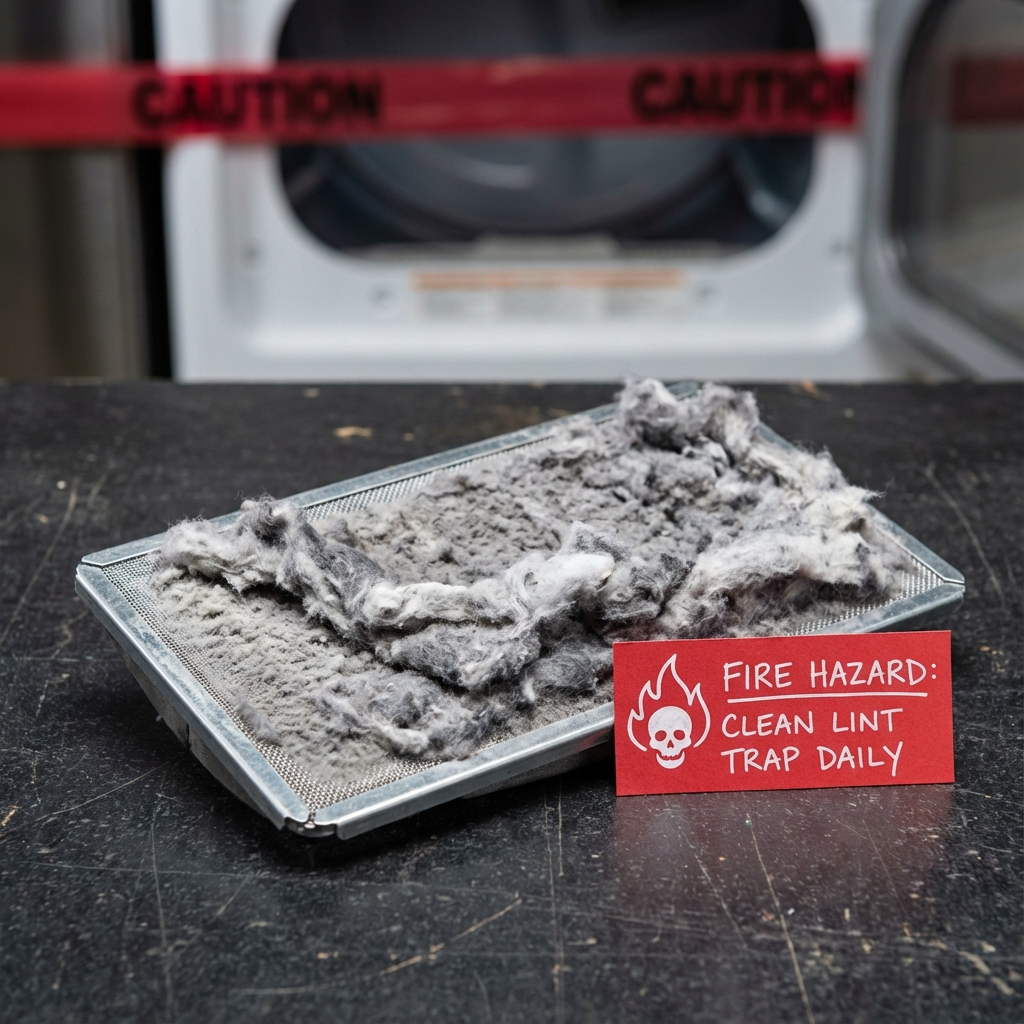
- Lint buildup: Blocked filters and ductwork restricting airflow
- Damaged ductwork: Crushed or disconnected ventilation
- Exterior vent blockage: Outside vent obstructed by debris
- Improper installation: Inadequate ventilation design
Component Failures
Mechanical overheating causes:
- Heating element malfunction: Stuck heating elements
- Thermostat failure: Temperature control system problems
- Blower motor issues: Reduced airflow from motor problems
- Thermal fuse problems: Safety device failures
Operational Factors
Usage-related overheating:
- Overloading: Too many clothes restricting airflow
- Inappropriate settings: Wrong temperature for fabric types
- Continuous operation: Running dryer without cooling breaks
- Poor maintenance: Neglected cleaning and service
Overheating Diagnosis and Assessment
INITIAL SAFETY ASSESSMENT
Immediate Safety Checks
Emergency evaluation:
- Stop operation: Turn off and unplug dryer immediately
- Check for burning odors: Identify any smoke or burning smells
- Feel exterior surfaces: Test if surfaces are too hot to touch
- Inspect for visible damage: Look for melted components or discoloration
- Allow cooling: Let dryer cool completely before further inspection
Temperature Measurement
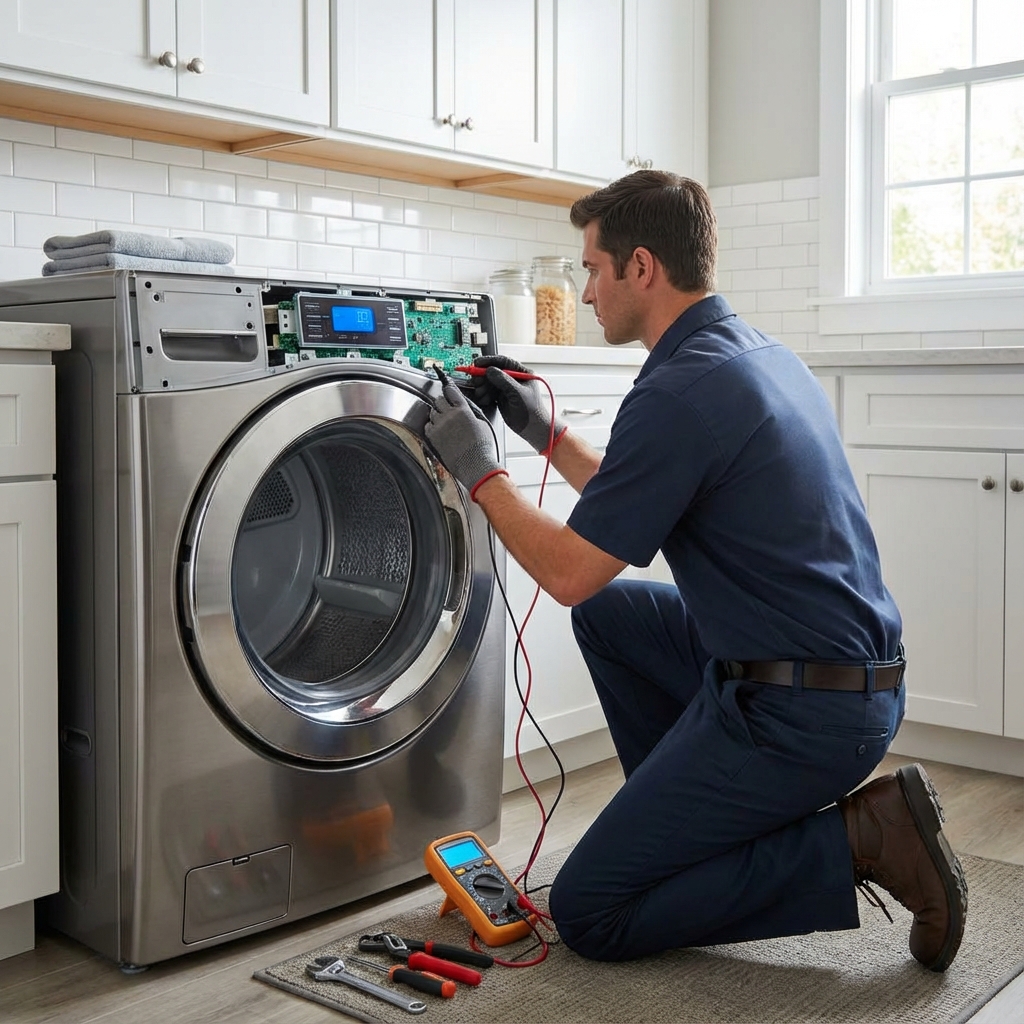
Professional assessment tools:
- Infrared thermometer: Non-contact temperature measurement
- Digital multimeter: Electrical component testing
- Airflow meter: Ventilation efficiency measurement
- Thermal imaging: Heat distribution analysis
SYSTEMATIC DIAGNOSIS PROCESS
Airflow Testing
Ventilation system evaluation:
- Lint filter inspection: Check for complete blockage
- Ductwork assessment: Evaluate ventilation path
- Exterior vent testing: Measure airflow at outside vent
- Internal airflow: Check blower motor and fan operation
- Restriction identification: Locate airflow obstructions
Component Testing
Heating system diagnosis:
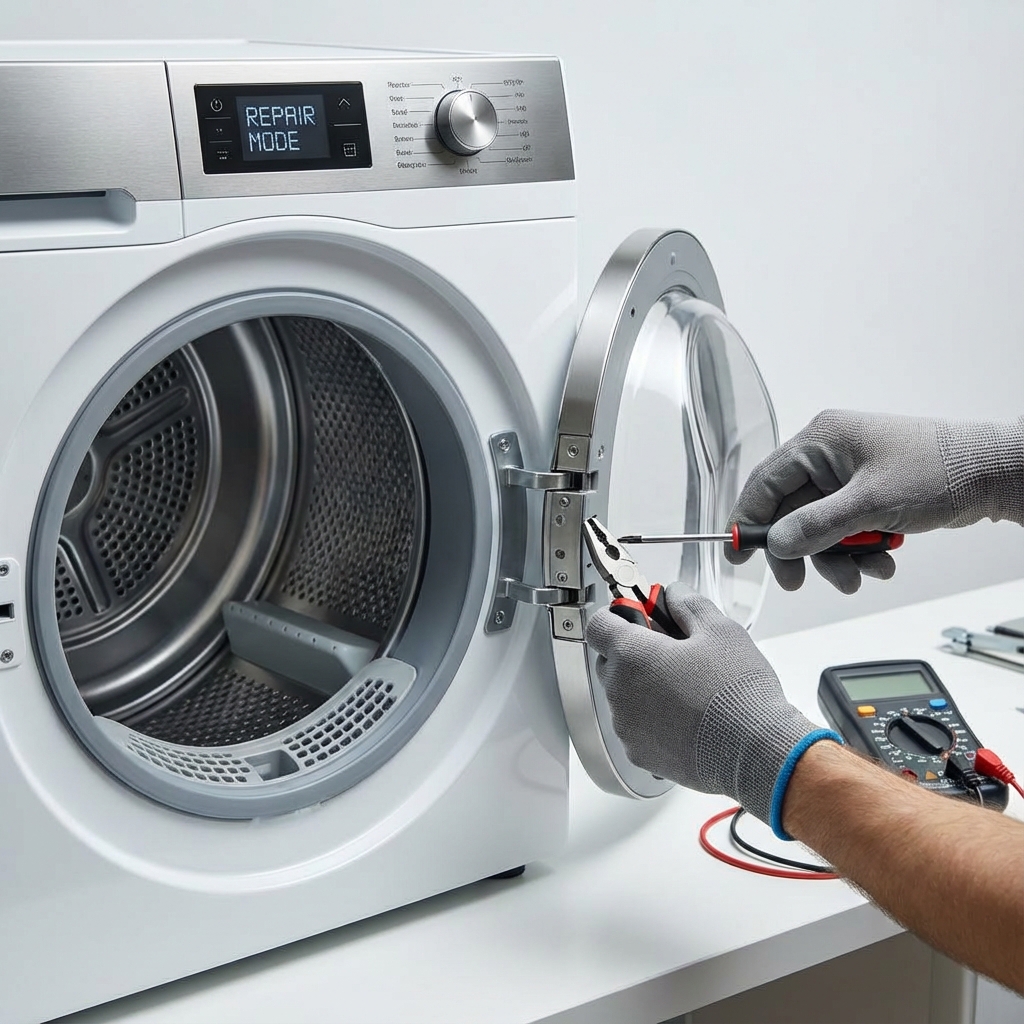
- Heating element testing: Check for proper operation and control
- Thermostat evaluation: Test temperature control accuracy
- Thermal fuse inspection: Verify safety device function
- Control board assessment: Check electronic control operation
Performance Analysis
Operational evaluation:
- Cycle timing: Monitor drying times and efficiency
- Temperature monitoring: Track heat levels during operation
- Energy consumption: Measure power usage patterns
- Safety system testing: Verify protective device operation
Professional Overheating Repair Solutions
AIRFLOW RESTORATION SERVICES
Comprehensive Vent Cleaning
Professional ventilation service:
- Complete lint removal: Thorough ductwork cleaning
- Ductwork inspection: Assess ventilation system condition
- Airflow optimization: Improve ventilation efficiency
- Exterior vent service: Clear and repair outside vents
Ventilation System Repair
Ductwork restoration:
- Duct replacement: Install new ventilation components
- Connection repair: Fix loose or damaged connections
- Routing optimization: Improve ductwork design
- Capacity enhancement: Upgrade ventilation capacity
HEATING SYSTEM REPAIR
Component Replacement
Heating element service:
- Element testing: Diagnose heating element problems
- Professional replacement: Install new heating elements
- Wiring repair: Fix electrical connections
- Performance verification: Test proper operation
Temperature Control Repair
Thermostat and control service:
- Thermostat replacement: Install new temperature controls
- Calibration service: Adjust temperature settings
- Control board repair: Fix electronic control issues
- Safety system restoration: Repair thermal protection
SAFETY SYSTEM RESTORATION
Thermal Protection Repair
Safety device service:
- Thermal fuse replacement: Install new safety fuses
- High-limit thermostat repair: Fix temperature safety controls
- Overheat protection: Upgrade safety systems
- Emergency shutdown testing: Verify safety operation
Fire Prevention Measures
Enhanced safety features:
- Advanced monitoring: Install temperature monitoring systems
- Improved ventilation: Upgrade airflow capacity
- Regular maintenance: Establish preventive service schedule
- Safety education: Provide operation and maintenance training
JK Appliances Overheating Repair Service
EXPERT DIAGNOSIS AND REPAIR
Comprehensive Assessment
Professional evaluation process:
- Safety inspection: Complete overheating risk assessment
- Component testing: Thorough heating system diagnosis
- Airflow analysis: Ventilation efficiency evaluation
- Performance testing: Operational efficiency measurement
- Repair planning: Customized solution development
Professional Repair Solutions
Expert service benefits:
- Same-day service: Emergency overheating repair available
- Certified technicians: Factory-trained repair specialists
- Quality parts: OEM and high-quality replacement components
- Warranty protection: Comprehensive repair warranties
SERVICE AREAS
Toronto Coverage
Complete GTA service:
- Downtown Toronto: Financial District, Entertainment District
- North York: Willowdale, Don Mills, Thornhill
- Scarborough: Agincourt, Malvern, Rouge
- Etobicoke: Islington, Rexdale, Mimico
- York Region: Markham, Richmond Hill, Vaughan
Emergency Service
24/7 overheating response:
- Emergency calls: Immediate safety response
- Same-day repair: Urgent overheating solutions
- Safety assessment: Emergency risk evaluation
- Temporary solutions: Interim safety measures
Overheating Prevention and Maintenance
REGULAR MAINTENANCE SCHEDULE
Daily Prevention
Every-use maintenance:
- Clean lint filter: Remove all lint after each load
- Check exterior temperature: Monitor dryer surface heat
- Proper loading: Avoid overloading dryer
- Appropriate settings: Use correct temperature settings
Monthly Inspections
Monthly prevention tasks:
- Exterior vent check: Verify strong airflow
- Temperature monitoring: Check for excessive heat
- Performance assessment: Monitor drying efficiency
- Visual inspection: Look for signs of overheating
Annual Professional Service
Yearly maintenance requirements:
- Complete cleaning: Professional lint and duct cleaning
- Safety inspection: Comprehensive overheating assessment
- Component testing: Heating system evaluation
- Performance optimization: Efficiency improvement service
USAGE BEST PRACTICES
Safe Operation Guidelines
Overheating prevention:
- Appropriate load sizes: Follow manufacturer recommendations
- Proper cycle selection: Use correct settings for fabric types
- Regular breaks: Allow cooling between continuous loads
- Immediate attention: Address overheating signs promptly
Installation Considerations
Overheating prevention setup:
- Adequate ventilation: Ensure proper ductwork design
- Appropriate location: Install in well-ventilated area
- Professional installation: Use certified installation service
- Regular inspection: Monitor installation condition
Energy Efficiency and Cost Savings
EFFICIENCY IMPACT OF OVERHEATING
Energy Waste from Overheating
Cost implications:
- Increased energy consumption: 30-50% higher energy use
- Extended cycle times: Longer operation periods
- Reduced efficiency: Poor heat transfer and airflow
- Premature failure: Shortened appliance lifespan
Repair Investment Benefits
Long-term savings:
- Energy cost reduction: 25-40% savings after repair
- Improved performance: Faster, more efficient drying
- Extended lifespan: 3-5 additional years of service
- Reduced repairs: Fewer future breakdowns
COST-EFFECTIVE SOLUTIONS
Repair vs. Replacement
Decision factors:
- Repair costs: Typically $150-400 for overheating issues
- Age consideration: Cost-effective for dryers under 10 years
- Energy savings: Repair often pays for itself within 1-2 years
- Safety benefits: Immediate fire risk reduction
Emergency Overheating Response
IMMEDIATE SAFETY ACTIONS
Emergency Procedures
If dryer overheats:
- Stop operation: Turn off dryer immediately
- Disconnect power: Unplug dryer safely
- Allow cooling: Let dryer cool completely
- Check for damage: Inspect for visible problems
- Call professionals: Contact repair service
Safety Assessment
Post-overheating evaluation:
- Professional inspection: Complete safety assessment
- Damage evaluation: Assess component condition
- Repair planning: Determine necessary repairs
- Prevention measures: Implement safety improvements
FIRE PREVENTION
Overheating Fire Risks
Fire hazard factors:
- Lint ignition: Overheated lint causing fires
- Component failure: Electrical fires from overheating
- Heat damage: Structural damage from excessive he
Common Questions People Ask
Q: Is it normal for my dryer overheating to have issues? No, this is not normal behavior and indicates an underlying issue that should be addressed promptly to prevent further damage.
Q: Can I fix this dryer overheating problem myself? Some basic issues can be resolved with DIY troubleshooting, but complex problems require professional diagnosis to avoid safety risks and warranty issues.
Q: How much does professional dryer overheating repair cost in Toronto? Repair costs typically range from $150-$400 depending on the specific issue and parts needed. Our technicians provide free estimates before any work begins.
Q: How long does dryer overheating repair take? Most repairs are completed within 1-2 hours during a single visit. Some cases may require ordering specialty parts with a follow-up appointment.
Q: Should I repair or replace my dryer overheating? If your dryer overheating is less than 8 years old and repair costs are under 50% of replacement cost, repair is usually the better value. Our technicians can help you make the right decision.
Q: Do you offer same-day dryer overheating repair in Toronto? Yes! We offer same-day and emergency repair services throughout Toronto and the Greater Toronto Area for urgent issues.
Q: What brands of dryer overheating do you repair? We service all major brands including Bosch, Samsung, LG, Whirlpool, KitchenAid, GE, Maytag, Frigidaire, Miele, and more.
Q: Is dryer overheating repair covered by warranty? Many dryer overheating issues are covered under manufacturer warranty. We can help verify your warranty status and handle claim processing.
at
- Smoke damage: Property damage from overheating
Prevention Strategies
Fire risk reduction:
- Regular maintenance: Prevent overheating conditions
- Professional service: Annual safety inspections
- Immediate response: Address overheating promptly
- Safety education: Family fire prevention training
Frequently Asked Questions About Dryer Overheating
Q: Why is my dryer overheating and shutting off automatically? A: Your dryer's thermal protection system is detecting excessive heat and triggering an automatic shutdown to prevent fire. This is most commonly caused by restricted airflow from lint buildup in the vent system (75% of cases), a failed thermal fuse, or a stuck heating element. Check and clean your lint filter and external vent first—this resolves most overheating issues immediately.
Q: How much does professional dryer overheating repair cost in Toronto? A: Dryer overheating repair in Toronto typically costs $150-400 depending on the cause. Professional vent cleaning runs $120-180, thermal fuse replacement costs $100-175, heating element repair is $150-250, and thermostat replacement ranges from $120-200. JK Appliances provides same-day service with an $80-120 diagnostic fee (waived with repair approval).
**Q: Can an overheating dryer start a fire? ** A: Yes, absolutely. Overheating dryers are a leading cause of house fires, responsible for approximately 15,000 home fires annually in North America. Lint buildup combined with excessive heat creates a dangerous fire hazard. Never ignore overheating signs—stop using the dryer immediately and have it professionally inspected before resuming use.
Q: Can I fix an overheating dryer myself or do I need professional help? A: You can safely clean the lint filter and external vent yourself, which resolves 60-70% of overheating issues. However, internal component repairs (thermal fuses, thermostats, heating elements) require professional service for safety and to maintain warranty coverage. If cleaning doesn't resolve the problem within 24 hours, call a certified technician.
Q: How can I tell if my dryer vent is clogged and causing overheating? A: Signs of a clogged dryer vent include: clothes taking 2+ cycles to dry, dryer exterior too hot to touch, burning smell during operation, excessive lint around the dryer area, and little to no airflow from the external vent. Check the outdoor vent while the dryer is running—you should feel strong, consistent airflow.
Q: Why does my dryer smell like burning when it overheats? A: Burning odors from an overheating dryer indicate lint or debris burning on the heating element, or electrical components overheating. This is a serious fire hazard. Stop the dryer immediately, unplug it, and don't use it until professionally inspected. The smell could also indicate failing motor bearings or belt friction.
Q: How hot is too hot for a dryer? A: Normal dryer drum temperatures are 120-160°F during operation, with exhaust air at 140-180°F. If the dryer exterior is too hot to comfortably touch, interior temperatures likely exceed 180°F, indicating overheating. Extended exposure to temperatures above 180°F can damage clothes and poses fire risks.
Q: Will a bad thermal fuse cause my dryer to overheat? A: A blown thermal fuse won't cause overheating—it prevents it. When your dryer overheats, the thermal fuse blows to cut power and prevent fires. Once blown, the dryer won't heat at all. If your thermal fuse blew, it means your dryer was overheating. Simply replacing the fuse without addressing the root cause will result in repeated failures.
Q: How often should I have my dryer vent professionally cleaned? A: Have your dryer vent professionally cleaned at least once per year, or every 6 months for families of 4+ or homes with pets. Toronto's lint-heavy winter clothing increases buildup. Professional cleaning includes the entire duct run, external hood, and internal lint trap areas that homeowners can't access.
Q: Can overloading a dryer cause it to overheat? A: Yes, overloading restricts airflow inside the drum, preventing heat from escaping properly. This forces the heating element to work harder and run longer, creating excessive heat buildup. Overloaded dryers also strain the motor and drum bearings. Load dryers to no more than 3/4 full for optimal performance and safety.
Q: Is it safe to continue using a dryer that occasionally overheats? A: No, never continue using an overheating dryer. Even occasional overheating indicates a serious safety problem that will worsen over time. Each overheating event increases fire risk and causes cumulative damage to components. Stop use immediately and schedule professional repair—the cost of repair is minimal compared to potential fire damage.
Q: What's the difference between dryer overheating and normal heat during use? A: Normal dryer operation produces manageable heat that you can touch briefly without discomfort. Overheating produces exterior surfaces too hot to touch, burning odors, automatic shutdowns, and clothes that are scorching hot. If you notice any of these signs, your dryer is overheating and needs immediate attention.
Real Toronto Customer Case Study
"A Scarborough family's Samsung dryer was shutting down mid-cycle with clothes still damp. They thought the dryer was broken and were considering a $900 replacement. Our technician discovered their external dryer vent was completely blocked by dryer lint compacted over 3+ years—the previous homeowners never cleaned it. The vent was so blocked that lint was backing up into the dryer, causing dangerous overheating. After professional vent cleaning ($160) and thermal fuse replacement ($120), their dryer worked perfectly. Total cost: $280 instead of $900 for replacement. This case prevented a potential house fire." - JK Appliances Service Report, October 2024
Experiencing dryer overheating in Toronto? Contact JK Appliances at +1 647-560-8966 for immediate safety assessment and expert repair service. We provide same-day emergency response for overheating issues.
Expert Tips & Pro Insights
💡 Pro Tip: Regular maintenance can prevent 80% of appliance problems. Follow manufacturer guidelines for cleaning and care.
⚠️ Safety Warning: Always disconnect power before attempting any repairs or inspections. If you smell gas, evacuate immediately and call emergency services.
🔧 Technician Insight: Many issues that seem complex often have simple solutions. Start with basic troubleshooting before assuming the worst.
📞 When to Call a Professional: If you encounter electrical components, gas lines, refrigerant systems, or if basic troubleshooting doesn't resolve the issue, it's time to call an expert.