Gas Appliance Not Heating - Professional Repair Toronto
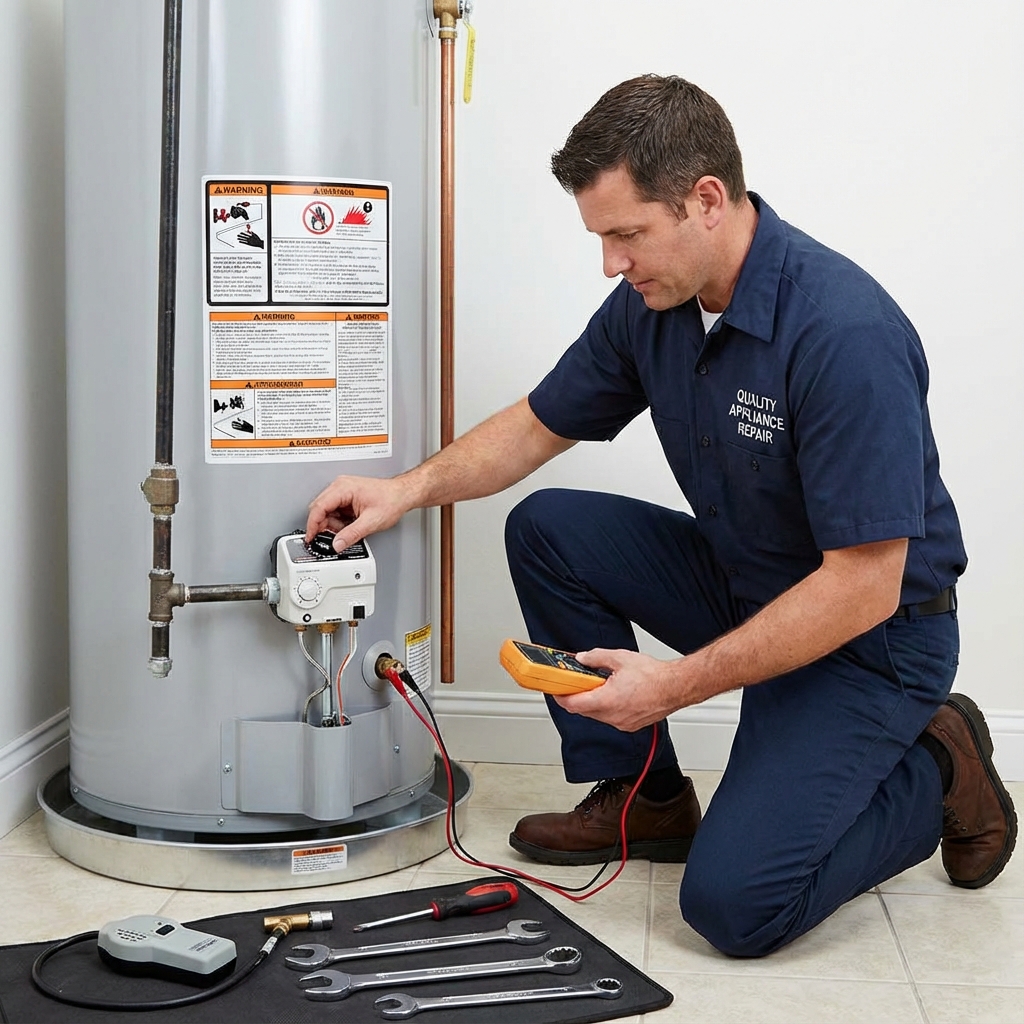
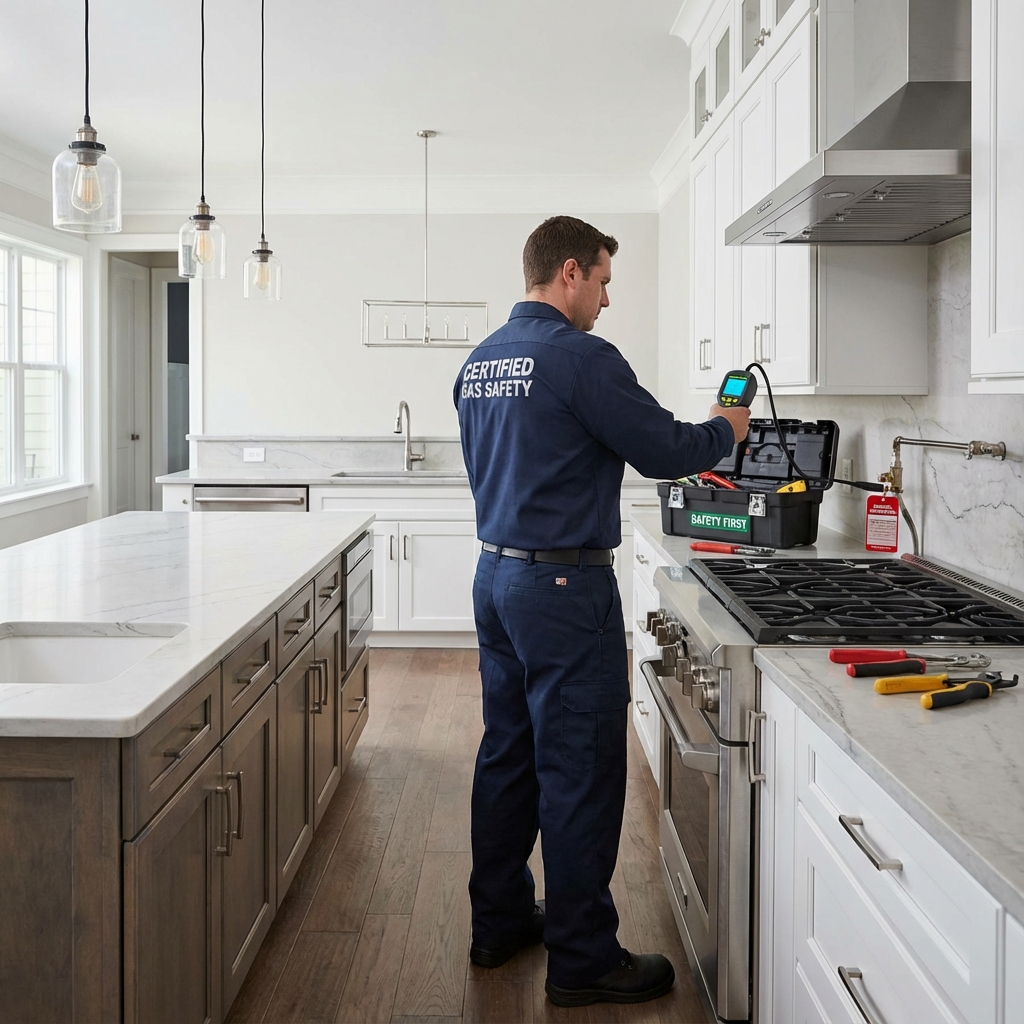
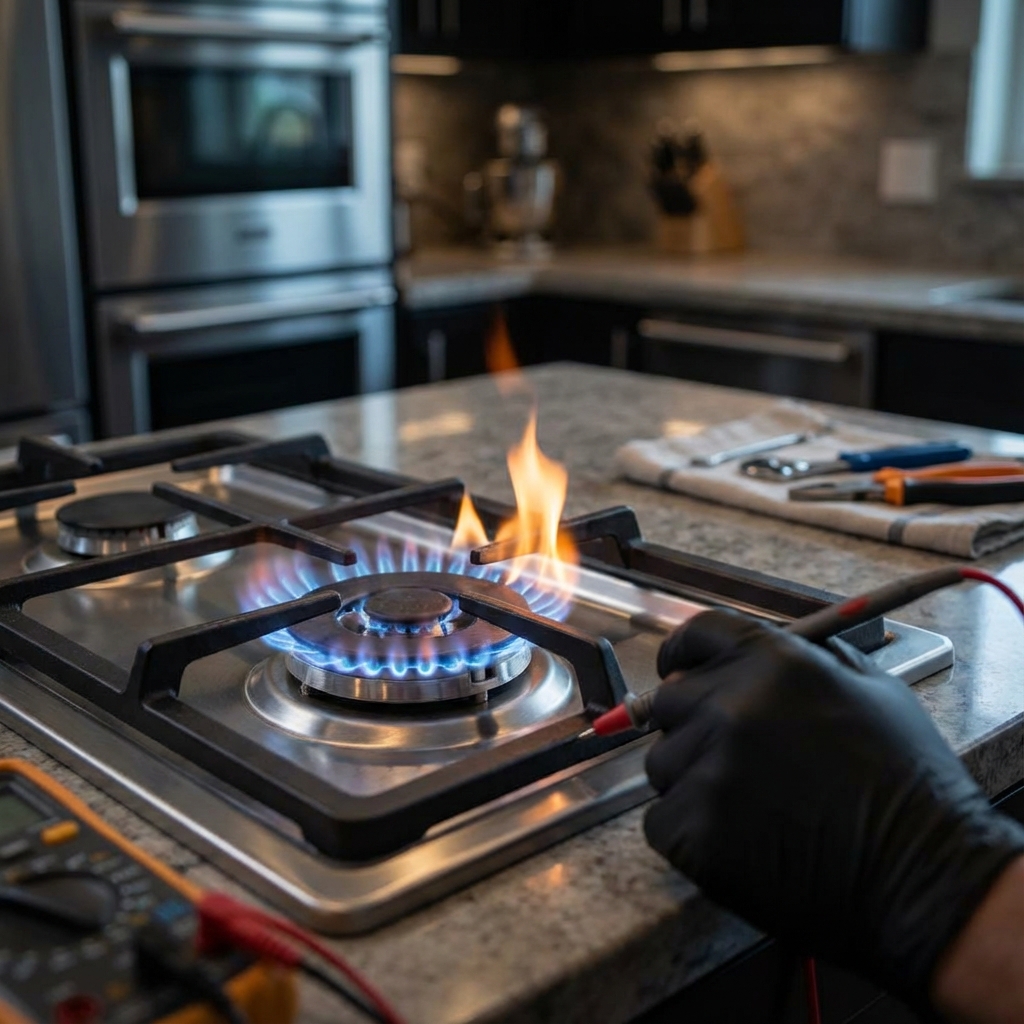
When your gas appliances fail to heat properly, it can disrupt your daily routine and comfort in Toronto's challenging climate. From gas furnaces and water heaters to dryers and ranges, heating problems can stem from various causes including gas supply issues, ignition failures, heat exchanger problems, and control malfunctions. This comprehensive guide covers diagnosing heating issues, understanding common causes, troubleshooting steps, and professional repair solutions.
Quick Answer: Gas appliance not heating properly? Expert diagnosis and repair in Toronto for all gas heating issues. Professional service from JK Appliances for furnaces, water heaters, dryers, and more. This is a common issue that can usually be resolved with proper troubleshooting. If the problem persists, professional diagnosis is recommended.
Understanding Gas Appliance Heating Systems
BASIC HEATING PRINCIPLES
Gas Combustion Process
How gas appliances create heat:
- Natural gas mixes with air in proper ratios
- Ignition system lights the gas-air mixture
- Controlled combustion produces heat energy
- Heat transfer systems distribute warmth
- Exhaust systems remove combustion byproducts
Heat Transfer Methods
Three primary heat transfer types:
- Conduction: Direct contact heat transfer through metal
- Convection: Heat transfer through air circulation
- Radiation: Direct heat emission from hot surfaces
Combustion Efficiency Factors
Elements affecting heating performance:
- Air-to-gas ratio optimization
- Complete combustion achievement
- Heat exchanger effectiveness
- Insulation and heat retention
- Exhaust system efficiency
COMMON GAS APPLIANCE HEATING SYSTEMS
Gas Furnaces
Central heating system components:
- Gas valve and manifold assembly
- Burner assembly and heat exchanger
- Blower motor and air circulation system
- Thermostat and control systems
- Venting and exhaust systems
Gas Water Heaters
Water heating system elements:
- Gas burner and combustion chamber
- Heat exchanger and flue system
- Temperature and pressure controls
- Insulation and tank construction
- Safety and relief systems
Gas Dryers
Clothes drying heat systems:
- Gas burner and ignition assembly
- Heat exchanger and air circulation
- Temperature control and safety systems
- Lint filtration and exhaust venting
- Moisture removal and air flow
Gas Ranges and Ovens
Cooking appliance heating:
- Burner assemblies and flame control
- Oven heating elements and circulation
- Temperature regulation and safety systems
- Ignition and flame monitoring
- Heat distribution and retention
Common Heating Problems and Causes
NO HEAT PRODUCTION
Complete Heating Failure
Primary causes of no heat:
- Gas supply interruption or shutoff
- Ignition system failure or malfunction
- Thermostat or control system problems
- Safety system lockout conditions
- Electrical power supply issues
Gas Supply Problems
Gas delivery issues:
- Main gas shutoff: Valve closed or meter problems
- Appliance shutoff: Local valve closed or damaged
- Gas pressure: Insufficient pressure for proper operation
- Gas quality: Contamination or air in lines
- Regulator failure: Pressure regulation problems
Ignition System Failures
Common ignition problems:
- Pilot light out: Traditional pilot systems
- Electronic ignition: Spark or hot surface igniter failure
- Flame sensor: Dirty or failed flame detection
- Control module: Electronic control board problems
- Wiring issues: Electrical connections and circuits
INSUFFICIENT HEAT OUTPUT
Reduced Heating Capacity
Causes of poor heating performance:
- Partially blocked burners or heat exchangers
- Improper gas pressure or air mixture
- Worn or damaged heating components
- Inadequate air circulation or ventilation
- Control system calibration problems
Heat Exchanger Issues
Heat transfer problems:
- Scaling and buildup: Mineral deposits reducing efficiency
- Corrosion damage: Metal deterioration affecting heat transfer
- Cracking or damage: Structural problems reducing capacity
- Blockages: Debris or soot restricting heat flow
- Age-related wear: Normal deterioration over time
Airflow and Circulation Problems
Air movement issues affecting heating:
- Blocked or dirty air filters
- Blower motor problems or failures
- Ductwork blockages or leaks
- Inadequate return air circulation
- Ventilation system restrictions
INTERMITTENT HEATING PROBLEMS
Cycling Issues
On-off heating problems:
- Short cycling: Frequent on-off operation
- Delayed ignition: Slow startup and heating
- Flame instability: Uneven or unstable combustion
- Control problems: Thermostat or sensor issues
- Safety shutdowns: Protective system activation
Temperature Control Problems
Inconsistent heating performance:
- Thermostat calibration or location issues
- Temperature sensor problems or drift
- Control system programming errors
- Heat anticipator adjustment needs
- Zone control system malfunctions
Diagnostic Procedures
INITIAL ASSESSMENT STEPS
Safety First Protocol
Before beginning diagnosis:
- Check for gas odors or leaks
- Ensure proper ventilation in work area
- Verify electrical safety and grounding
- Confirm emergency shutoffs are accessible
- Review appliance manual and specifications
Basic System Checks
Fundamental diagnostic steps:
- Gas supply: Verify gas is on and pressure adequate
- Electrical power: Check power supply and connections
- Thermostat: Verify settings and operation
- Safety systems: Check for lockout conditions
- Visual inspection: Look for obvious damage or problems
GAS SUPPLY VERIFICATION
Gas Pressure Testing
Professional pressure measurement:
- Inlet pressure: Gas supply to appliance
- Manifold pressure: Pressure at burner assembly
- Pressure drop: System capacity under load
- Regulator function: Pressure regulation accuracy
- Supply adequacy: Sufficient gas flow capacity
Gas Quality Assessment
Checking gas composition and purity:
- Air contamination in gas lines
- Moisture content in gas supply
- Impurities affecting combustion
- Gas heating value verification
- Supply consistency and stability
IGNITION SYSTEM DIAGNOSIS
Pilot Light Systems
Traditional pilot diagnosis:
- Pilot flame: Size, color, and stability
- Thermocouple: Electrical output and connection
- Gas valve: Pilot gas flow and control
- Safety circuit: Flame failure protection
- Manual operation: Lighting and adjustment procedures
Electronic Ignition Systems
Modern ignition diagnosis:
- Spark ignition: Electrode condition and spark quality
- Hot surface igniter: Element resistance and heating
- Flame sensor: Signal strength and cleanliness
- Control module: Input/output signal verification
- Wiring integrity: Electrical connections and continuity
HEAT EXCHANGER EVALUATION
Performance Testing
Heat transfer efficiency assessment:
- Temperature rise: Input vs. output temperature difference
- Heat output: BTU delivery measurement
- Efficiency calculation: Combustion efficiency testing
- Heat distribution: Even heating across system
- Thermal imaging: Hot spot and cold spot identification
Physical Inspection
Visual and physical examination:
- Corrosion assessment: Metal condition and deterioration
- Crack detection: Structural integrity verification
- Blockage identification: Airflow and heat transfer restrictions
- Scaling evaluation: Mineral buildup and cleaning needs
- Wear assessment: Component condition and remaining life
Troubleshooting Guide
NO HEAT TROUBLESHOOTING
Step 1: Basic Checks
Initial troubleshooting steps:
- Verify thermostat is calling for heat
- Check gas supply valves are open
- Confirm electrical power to appliance
- Look for error codes or indicator lights
- Listen for normal operating sounds
Step 2: Gas Supply Verification
Gas system checks:
- Test other gas appliances for operation
- Check gas meter for normal operation
- Verify appliance gas valve position
- Look for gas leak indicators
- Confirm adequate gas pressure
Step 3: Ignition System Check
Ignition troubleshooting:
- Observe ignition attempt and sequence
- Check pilot light or igniter operation
- Clean flame sensor or thermocouple
- Verify electrical connections to ignition
- Test safety circuit operation
INSUFFICIENT HEAT TROUBLESHOOTING
Airflow and Circulation
Air system diagnosis:
- Replace or clean air filters
- Check blower motor operation
- Verify ductwork is unobstructed
- Ensure adequate return air flow
- Confirm proper ventilation clearances
Combustion System
Burner and heat exchanger checks:
- Inspect burner flames for proper color and pattern
- Check for soot or debris on heat exchanger
- Verify proper air-to-gas mixture
- Clean burner ports and surfaces
- Test combustion efficiency
Control System
Temperature and control diagnosis:
- Calibrate thermostat temperature accuracy
- Check temperature sensor operation
- Verify control system programming
- Test safety and limit controls
- Confirm proper system cycling
INTERMITTENT HEATING TROUBLESHOOTING
Cycling Problems
Short cycling diagnosis:
- Check for oversized heating capacity
- Verify proper thermostat location and operation
- Test limit switches and safety controls
- Confirm adequate airflow and ventilation
- Check for control system problems
Flame Stability Issues
Combustion stability troubleshooting:
- Clean burner ports and orifices
- Check gas pressure stability
- Verify proper air mixture and draft
- Test flame sensor operation
- Confirm venting system adequacy
Professional Repair Solutions
COMPREHENSIVE HEATING SYSTEM REPAIR
Complete System Diagnosis
Professional diagnostic process:
- Advanced combustion analysis and testing
- Comprehensive electrical system evaluation
- Gas supply and pressure verification
- Heat exchanger inspection and testing
- Control system calibration and programming
Component Replacement Services
Professional repair capabilities:
- Ignition systems: Complete igniter and control replacement
- Heat exchangers: Repair or replacement of damaged units
- Gas valves: Valve rebuild or replacement services
- Control systems: Thermostat and control board replacement
- Safety devices: Sensor and safety system updates
HEATING SYSTEM OPTIMIZATION
Efficiency Improvements
Performance enhancement services:
- Combustion tuning and optimization
- Heat exchanger cleaning and maintenance
- Airflow balancing and improvement
- Control system calibration and programming
- Insulation and heat retention upgrades
Preventive Maintenance Programs
Ongoing heating system care:
- Annual heating system inspection and tuning
- Regular filter replacement and cleaning
- Lubrication and component maintenance
- Safety system testing and verification
- Performance monitoring and optimization
EMERGENCY HEATING REPAIR
24/7 Emergency Service
Emergency heating restoration:
- Immediate response for no-heat situations
- Emergency diagnostic and repair services
- Temporary heating solutions when needed
- Priority parts sourcing and installation
- After-hours and weekend service availability
Winter Emergency Protocols
Cold weather emergency response:
- Rapid response for heating failures
- Freeze prevention and pipe protection
- Emergency heating system restoration
- Temporary heating equipment rental
- Coordination with utility emergency services
Appliance-Specific Heating Issues
GAS FURNACE HEATING PROBLEMS
Common Furnace Issues
Typical heating problems:
- Heat exchanger: Cracking, corrosion, or blockage
- Blower motor: Failure or inadequate air circulation
- Gas valve: Sticking, leaking, or control problems
- Ignition system: Pilot or electronic ignition failure
- Ductwork: Leaks, blockages, or inadequate sizing
Furnace Repair Solutions
Professional furnace services:
- Heat exchanger repair or replacement
- Blower motor service and replacement
- Gas valve cleaning, repair, or replacement
- Ignition system upgrade and repair
- Ductwork sealing and optimization
GAS WATER HEATER HEATING ISSUES
Water Heater Problems
Common heating failures:
- Burner assembly: Clogged ports or poor combustion
- Thermostat: Temperature control problems
- Flue system: Blocked venting affecting operation
- Tank insulation: Heat loss reducing efficiency
- Anode rod: Corrosion affecting tank life
Water Heater Solutions
Professional water heater services:
- Burner cleaning and adjustment
- Thermostat calibration and replacement
- Flue cleaning and repair
- Tank flushing and maintenance
- Anode rod replacement and tank protection
GAS DRYER HEATING PROBLEMS
Dryer Heating Issues
Common drying problems:
- Ignition system: Failure to light or maintain flame
- Heat exchanger: Lint buildup reducing heat transfer
- Airflow: Restricted exhaust affecting heat circulation
- Temperature control: Overheating or insufficient heat
- Safety systems: Thermal fuse or limit switch problems
Dryer Repair Services
Professional dryer heating repair:
- Ignition system cleaning and replacement
- Heat exchanger cleaning and maintenance
- Exhaust system cleaning and repair
- Temperature control calibration
- Safety system testing and replacement
GAS RANGE AND OVEN HEATING
Cooking Appliance Issues
Range and oven problems:
- Burner problems: Uneven flames or poor ignition
- Oven heating: Temperature control or circulation issues
- Safety systems: Flame failure or gas shutoff problems
- Control systems: Temperature regulation failures
- Ventilation: Inadequate exhaust affecting operation
Range and Oven Solutions
Professional cooking appliance repair:
- Burner cleaning, adjustment, and replacement
- Oven calibration and temperature control repair
- Safety system testing and replacement
- Control system diagnosis and repair
- Ventilation system cleaning and maintenance
Energy Efficiency and Performance
HEATING EFFICIENCY OPTIMIZATION
Combustion Efficiency
Maximizing fuel utilization:
- Proper air-to-gas ratio adjustment
- Complete combustion achievement
- Heat exchanger optimization
- Exhaust system efficiency
- Regular maintenance and tuning
Heat Distribution Efficiency
Optimizing heat delivery:
- Proper airflow and circulation
- Ductwork sealing and insulation
- Zone control system optimization
- Heat recovery and retention
- Smart control system integration
COST-EFFECTIVE HEATING SOLUTIONS
Repair vs. Replacement Analysis
Economic decision factors:
- Repair costs: Parts, labor, and ongoing maintenance
- Replacement benefits: Efficiency, reliability, and warranty
- Age consideration: Expected remaining appliance life
- Energy savings: Operating cost improvements
- Rebates and incentives: Available upgrade programs
Energy Saving Upgrades
Efficiency improvement options:
- High-efficiency appliance replacement
- Smart thermostat and control upgrades
- Insulation and weatherization improvements
- Heat recovery system installation
- Renewable energy integration options
Maintenance and Prevention
REGULAR HEATING SYSTEM MAINTENANCE
Homeowner Maintenance Tasks
Monthly and seasonal care:
- Air filter inspection and replacement
- Visual inspection of appliance condition
- Thermostat operation verification
- Clearance and ventilation maintenance
- Basic cleaning and debris removal
Professional Maintenance Services
Annual professional care:
- Complete combustion system inspection
- Gas pressure testing and adjustment
- Heat exchanger cleaning and inspection
- Safety system testing and calibration
- Performance optimization and tuning
PREVENTIVE CARE PROGRAMS
Maintenance Scheduling
Optimal maintenance timing:
- Pre-season: Before heating season begins
- Mid-season: Performance check during peak use
- Post-season: End-of-season inspection and service
- Emergency: Immediate attention for problems
- Replacement planning: Proactive upgrade scheduling
Long-term System Care
Extending heating system life:
- Regular professional maintenance
- Quality parts and component replacement
- Proper operation and usage practices
- Environmental protection and care
- Upgrade planning and preparation
Toronto Climate Considerations
WINTER HEATING DEMANDS
Cold Weather Challenges
Toronto winter heating factors:
- Extended heating season requirements
- Extreme cold temperature operation
- Increased system cycling and wear
- Higher efficiency and reliability needs
- Emergency backup heating considerations
Seasonal Maintenance Needs
Climate-specific care requirements:
- Pre-winter system preparation and testing
- Cold weather operation optimization
- Ice and snow clearance for venting
- Emergency heating backup planning
- Spring system inspection and service
ENERGY COSTS AND EFFICIENCY
Natural Gas Pricing
Toronto energy cost factors:
- Seasonal gas price variations
- Efficiency impact on operating costs
- Peak demand pricing considerations
- Conservation program opportunities
- Alternative energy cost comparisons
Efficiency Incentive Programs
Available efficiency programs:
- Enbridge Gas rebate programs
- Government efficiency incentives
- Utility conservation programs
- Municipal energy upgrade programs
- Federal tax credit opportunities
FAQ
Q: Why is my gas appliance not heating at all? A: Complete heating failure usually indicates gas supply problems, ignition system failure, or safety system lockout. Check gas supply, thermostat settings, and look for error codes before calling for professional service.
Q: What causes insufficient heat from gas appliances? A: Poor heating performance often results from dirty heat exchangers, blocked airflow, improper gas pressure, or worn components. Professional cleaning and adjustment can usually restore proper heating.
Q: How can I tell if my gas appliance heating problem is serious? A: Call for immediate service if you smell gas, see yellow flames, notice soot buildup, or experience carbon monoxide symptoms. These indicate potentially dangerous conditions.
Q: When should I repair vs. replace a gas appliance with heating problems? A: Consider replacement if repair costs exceed 50% of replacement cost, the appliance is over 15 years old, or efficiency improvements would provide significant savings.
Q: How often should gas appliances be serviced for heating performance? A: Annual professional maintenance is recommended for all gas appliances, with more frequent service for high-use appliances or older units.
Q: Can I troubleshoot gas appliance heating problems myself? A: You can check basic items like thermostat settings, air filters, and gas supply valves, but gas system diagnosis and repair should always be done by qualified professionals.
Don't let heating problems leave you cold! For professional gas appliance heating repair in Toronto, trust JK Appliances. Our certified technicians diagnose and repair all gas appliance heating issues quickly and safely. Call (647) 560-8966 for expert heating repair service - we'll restore your comfort and peace of mind!
Common Questions People Ask
Q: Is it normal for my gas appliance heating to heating - professional repair toronto? No, this is not normal behavior and indicates an underlying issue that should be addressed promptly to prevent further damage.
Q: Can I fix this gas appliance heating problem myself? Some basic issues can be resolved with DIY troubleshooting, but complex problems require professional diagnosis to avoid safety risks and warranty issues.
Q: How much does professional gas appliance heating repair cost in Toronto? Repair costs typically range from $150-$400 depending on the specific issue and parts needed. Our technicians provide free estimates before any work begins.
Q: How long does gas appliance heating repair take? Most repairs are completed within 1-2 hours during a single visit. Some cases may require ordering specialty parts with a follow-up appointment.
Q: Should I repair or replace my gas appliance heating? If your gas appliance heating is less than 8 years old and repair costs are under 50% of replacement cost, repair is usually the better value. Our technicians can help you make the right decision.
Q: Do you offer same-day gas appliance heating repair in Toronto? Yes! We offer same-day and emergency repair services throughout Toronto and the Greater Toronto Area for urgent issues.
Q: What brands of gas appliance heating do you repair? We service all major brands including Bosch, Samsung, LG, Whirlpool, KitchenAid, GE, Maytag, Frigidaire, Miele, and more.
Q: Is gas appliance heating repair covered by warranty? Many gas appliance heating issues are covered under manufacturer warranty. We can help verify your warranty status and handle claim processing.
Expert Tips & Pro Insights
💡 Pro Tip: Regular maintenance can prevent 80% of appliance problems. Follow manufacturer guidelines for cleaning and care.
⚠️ Safety Warning: Always disconnect power before attempting any repairs or inspections. If you smell gas, evacuate immediately and call emergency services.
🔧 Technician Insight: Many issues that seem complex often have simple solutions. Start with basic troubleshooting before assuming the worst.
📞 When to Call a Professional: If you encounter electrical components, gas lines, refrigerant systems, or if basic troubleshooting doesn't resolve the issue, it's time to call an expert.