Gas Appliance Safety Issues & Emergency Repair Toronto
Gas appliances provide efficient, reliable service when properly maintained, but safety issues can pose serious risks to your Toronto home and family. From gas leaks and carbon monoxide concerns to fire hazards and explosion risks, understanding gas appliance safety is crucial for every homeowner. This comprehensive guide covers identifying safety hazards, emergency procedures, prevention strategies, and professional safety services.
Quick Answer: Gas appliance safety concerns? Emergency repair service in Toronto for gas leaks, carbon monoxide, and safety hazards. 24/7 professional service from JK Appliances for all gas appliances. This is a common issue that can usually be resolved with proper troubleshooting. If the problem persists, professional diagnosis is recommended.
Understanding Gas Appliance Safety Risks
PRIMARY SAFETY HAZARDS
Gas Leaks
Types of gas leaks:
- Supply line leaks at connections
- Appliance internal leaks
- Regulator and valve leaks
- Vent and exhaust leaks
Severity levels:
- Minor seepage: Detectable odor, low risk
- Moderate leaks: Strong odor, immediate attention needed
- Major leaks: Evacuation required, extreme danger
- Emergency leaks: Visible gas, life-threatening
Common leak locations:
- Gas meter connections
- Appliance shutoff valves
- Flexible gas connectors
- Appliance internal components
Carbon Monoxide Poisoning
CO production causes:
- Incomplete combustion in appliances
- Blocked or damaged venting systems
- Poor appliance maintenance
- Inadequate combustion air supply
Health impact levels:
- Low exposure: Mild headaches, fatigue
- Moderate exposure: Nausea, dizziness, confusion
- High exposure: Unconsciousness, brain damage
- Extreme exposure: Death within minutes
Vulnerable populations:
- Infants and young children
- Elderly individuals
- Pregnant women
- People with heart or lung conditions
Fire and Explosion Hazards
Ignition sources:
- Electrical sparks and arcs
- Open flames and pilot lights
- Static electricity discharge
- Hot surfaces and friction
Contributing factors:
- Gas accumulation in enclosed spaces
- Poor ventilation and air circulation
- Improper appliance installation
- Lack of safety equipment
SECONDARY SAFETY CONCERNS
Structural Damage
Property damage risks:
- Fire damage to building structure
- Explosion damage to foundations
- Water damage from firefighting efforts
- Smoke and soot contamination
Environmental Hazards
Broader safety impacts:
- Neighborhood evacuation requirements
- Utility service interruptions
- Environmental contamination
- Emergency response costs
Legal and Insurance Issues
Liability concerns:
- Property damage liability
- Personal injury claims
- Insurance coverage disputes
- Regulatory compliance violations
Recognizing Safety Warning Signs
IMMEDIATE DANGER INDICATORS
Strong Gas Odor
Emergency gas smell characteristics:
- Overwhelming "rotten egg" odor
- Smell throughout multiple rooms
- Odor that doesn't dissipate quickly
- Multiple people detecting the smell
Immediate response required:
- Don't use electrical switches or create sparks
- Turn off gas at meter if safely accessible
- Evacuate building immediately
- Call gas company emergency line from safe location
- Don't re-enter until authorities clear the area
Visible Gas Escape
Critical visual indicators:
- Hissing sounds from gas equipment
- Visible vapor or mist near appliances
- Dead vegetation around gas lines
- Dust or debris blowing from underground
Appliance Flame Abnormalities
Dangerous flame conditions:
- Yellow, orange, or red flames (should be blue)
- Flames lifting off burner surfaces
- Uneven or dancing flames
- Flames that won't stay lit
WARNING SIGNS REQUIRING ATTENTION
Mild Gas Odors
Concerning but not emergency:
- Faint gas smell near appliances
- Brief odor during appliance startup
- Intermittent gas detection
- Odor that dissipates quickly
Performance Changes
Operational warning signs:
- Difficulty lighting appliances
- Delayed ignition or startup
- Unusual sounds during operation
- Decreased heating efficiency
Physical Symptoms
Health indicators:
- Headaches during appliance use
- Dizziness or nausea in home
- Eye or throat irritation
- Fatigue or drowsiness
ENVIRONMENTAL INDICATORS
Ventilation Problems
Poor air quality signs:
- Excessive condensation on windows
- Stuffy air in appliance areas
- Lingering combustion odors
- High humidity levels
Combustion Issues
Incomplete burning indicators:
- Soot buildup on appliances
- Black marks on walls or ceilings
- Yellow flame tips on burners
- Poor appliance performance
Emergency Response Procedures
GAS LEAK EMERGENCY PROTOCOL
Immediate Actions (First 60 Seconds)
- Stay calm but act quickly
- Don't use electrical switches, phones, or lights
- Turn off appliance controls if safely accessible
- Open windows and doors for ventilation
- Evacuate if odor is strong or widespread
Evacuation Procedures
When evacuation is necessary:
- Strong gas odor in multiple rooms
- Hissing sounds from gas equipment
- Visible gas escape or vapor
- Any doubt about safety
Safe evacuation steps:
- Leave immediately without gathering belongings
- Don't use elevators or electrical devices
- Go to predetermined safe meeting point
- Account for all family members and pets
- Stay at safe distance until cleared
Emergency Contact Protocol
Call in this priority order:
- 911 for immediate life-threatening danger
- Gas company emergency line (Enbridge: 1-866-763-5427)
- Fire department if not already dispatched
- Building management or landlord if applicable
CARBON MONOXIDE EMERGENCY
Recognizing CO Poisoning
Symptoms by exposure level:
- Mild: Headache, fatigue, dizziness
- Moderate: Nausea, confusion, chest pain
- Severe: Unconsciousness, seizures, coma
- Fatal: Respiratory failure, cardiac arrest
Immediate Response Actions
- Get fresh air immediately
- Turn off all gas appliances if safely possible
- Evacuate to outdoor area
- Call 911 for severe symptoms
- Seek medical attention for all affected
Medical Emergency Protocol
When to call 911 immediately:
- Anyone unconscious or unresponsive
- Severe symptoms in multiple people
- Symptoms rapidly worsening
- Pregnant women or children affected
FIRE EMERGENCY PROCEDURES
Small Appliance Fires
If fire is contained and small:
- Turn off gas supply to appliance
- Use appropriate fire extinguisher (Class B for gas)
- Never use water on gas fires
- Call fire department even for small fires
- Evacuate if fire spreads
Large or Spreading Fires
For uncontrolled fires:
- Evacuate immediately
- Call 911 from safe location
- Don't attempt to fight large fires
- Close doors behind you if possible
- Meet fire department at safe location
Gas-Fed Fires
Special considerations:
- Don't extinguish gas-fed flames unless gas can be shut off
- Evacuate and let professionals handle
- Gas fires can reignite explosively
- Stay clear until gas supply is secured
Professional Safety Inspections
COMPREHENSIVE SAFETY ASSESSMENTS
Annual Safety Inspections
Professional inspection includes:
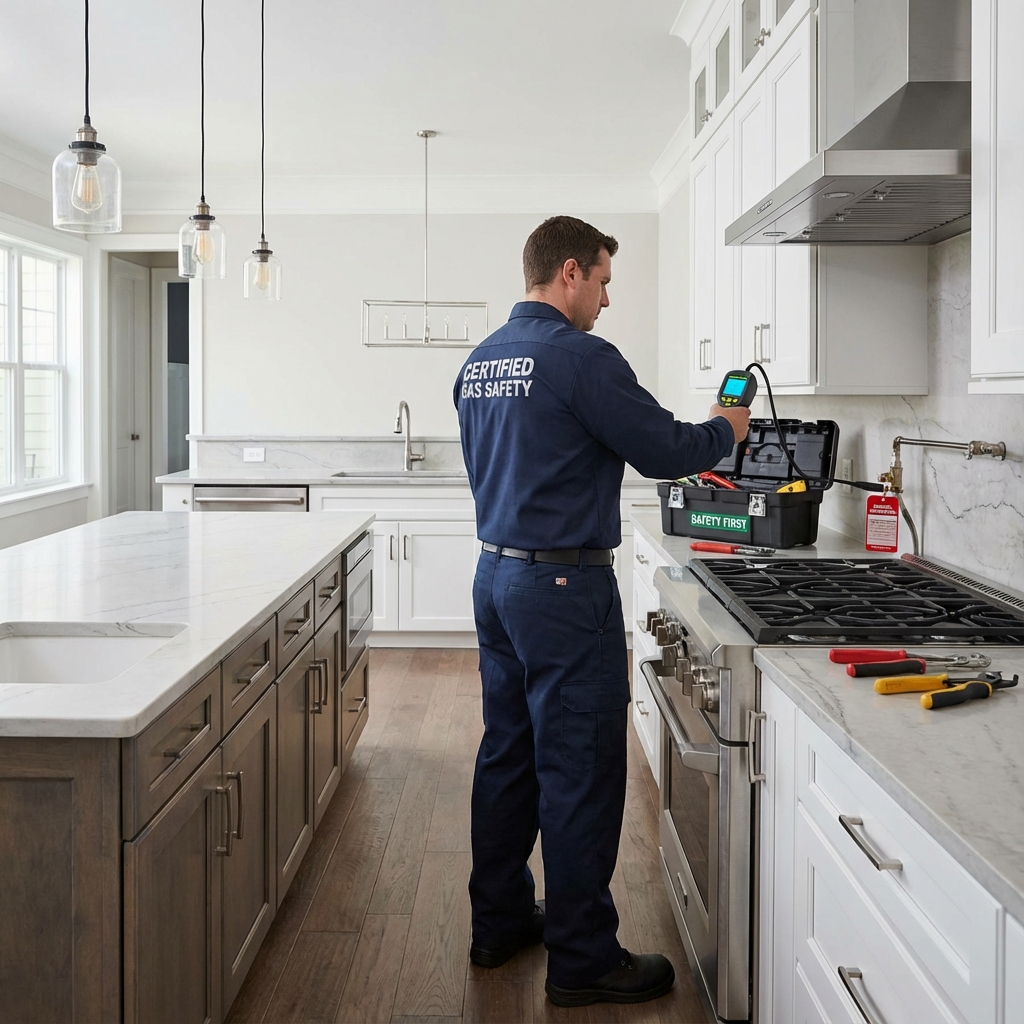
- Complete gas leak detection throughout system
- Combustion analysis and efficiency testing
- Ventilation adequacy assessment
- Safety device functionality verification
- Carbon monoxide level testing
Gas System Testing
Pressure and flow testing:
- Supply line pressure verification
- Appliance manifold pressure testing
- Leak detection at all connections
- Gas flow rate analysis
- Pressure drop assessment
Combustion Safety Analysis
Flame and efficiency testing:
- Flame pattern and color evaluation
- Combustion efficiency measurement
- Air-to-gas ratio verification
- Heat exchanger inspection
- Vent system analysis
EMERGENCY SAFETY INSPECTIONS
Post-Incident Inspections
Required after safety incidents:
- Any gas leak occurrence
- Fire or explosion events
- Carbon monoxide detection
- Safety system failures
- Structural damage to gas systems
Safety Certification Process
Professional certification includes:
- Complete system inspection and testing
- Repair or replacement of damaged components
- Safety system verification and calibration
- Documentation of all work performed
- Certification of safe operation
REGULATORY COMPLIANCE
Toronto Building Code Requirements
Safety compliance standards:
- Ontario Building Code gas appliance requirements
- Municipal safety regulations and permits
- Insurance company safety standards
- Manufacturer installation specifications
Professional Licensing
Qualified service providers:
- Licensed gas fitters and technicians
- Certified appliance repair specialists
- Safety inspection professionals
- Emergency response trained personnel
Prevention and Safety Measures
REGULAR MAINTENANCE PROGRAMS
Homeowner Safety Checks
Monthly safety inspections:
- Visual inspection of all gas connections
- Soap bubble test for minor leaks
- Flame quality observation on all appliances
- Ventilation system functionality check
Professional Maintenance
Annual professional service:
- Complete safety inspection and testing
- Preventive maintenance on all components
- Safety system calibration and verification
- Documentation and certification
SAFETY EQUIPMENT INSTALLATION
Gas Detection Systems
Recommended safety equipment:
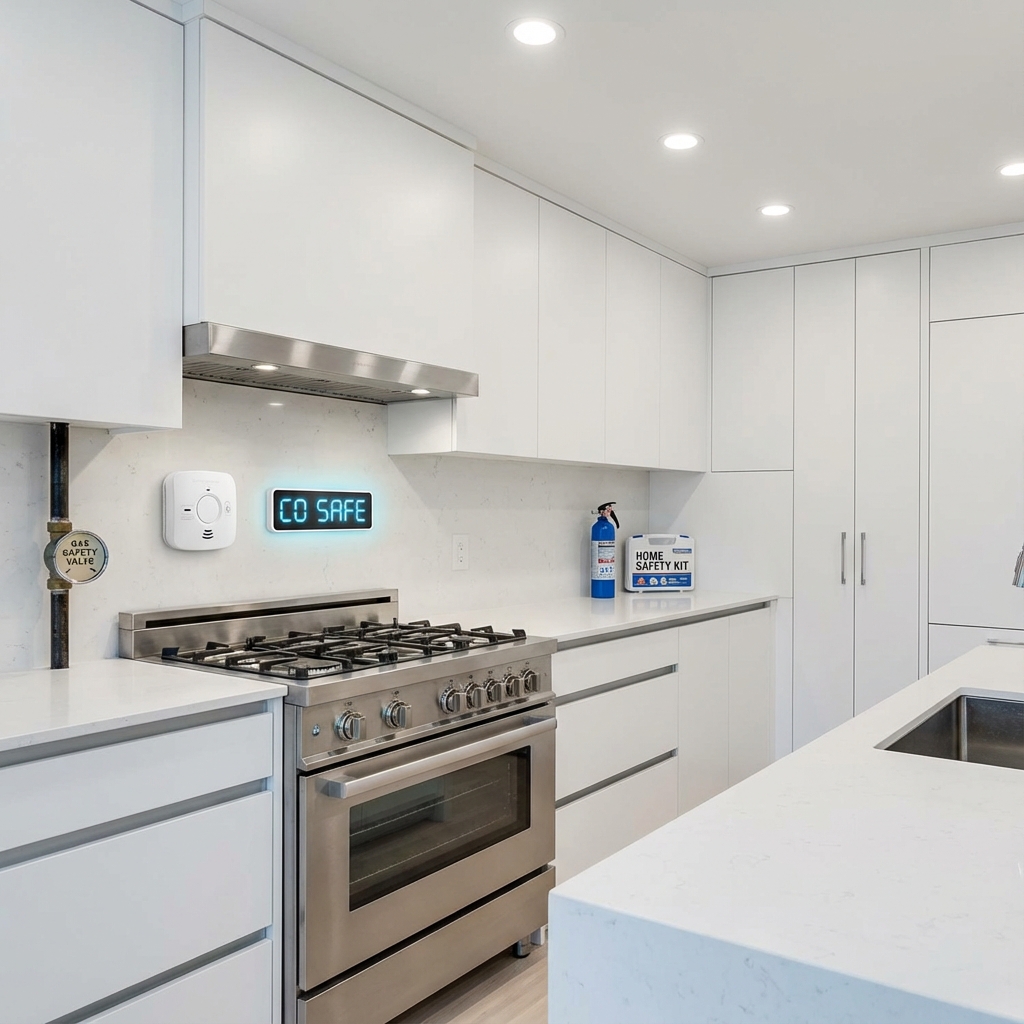
- Natural gas detectors near appliances
- Carbon monoxide detectors in living areas
- Smoke detectors in appliance rooms
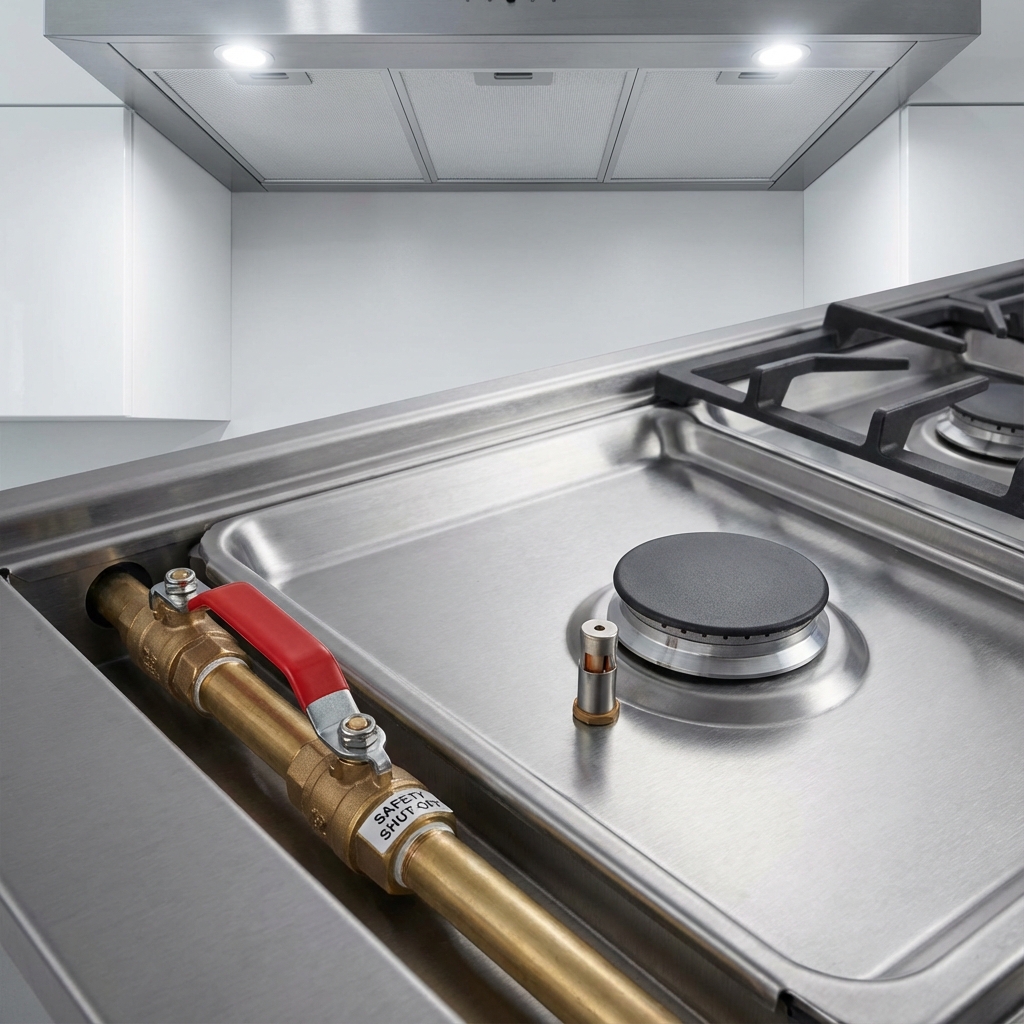
- Emergency shutoff valve accessibility
Proper Equipment Placement
Strategic detector locations:
- Gas detectors near floor level (gas is heavier than air)
- CO detectors at breathing level in bedrooms
- Smoke detectors on ceilings in appliance areas
- Fire extinguishers in accessible locations
PROPER INSTALLATION PRACTICES
Professional Installation Requirements
Why professional installation is critical:
- Code compliance and safety assurance
- Proper sizing and gas supply calculations
- Safety system integration and testing
- Warranty protection and liability coverage
Installation Safety Features
Modern safety requirements:
- Automatic gas shutoff valves
- Excess flow protection devices
- Proper ventilation and combustion air
- Emergency shutoff accessibility
USER EDUCATION AND TRAINING
Family Safety Training
Everyone in household should know:
- How to recognize gas leaks and CO symptoms
- Location of gas shutoff valves
- Emergency contact numbers and procedures
- Evacuation routes and meeting points
Safe Operating Practices
Daily safety habits:
- Never ignore gas odors or unusual symptoms
- Keep appliance areas clean and unobstructed
- Ensure adequate ventilation during use
- Report problems immediately to professionals
Toronto-Specific Safety Considerations
LOCAL BUILDING CODES AND REGULATIONS
Ontario Building Code Requirements
Gas appliance safety standards:
- Proper clearances and ventilation requirements
- Emergency shutoff valve accessibility
- Combustion air supply standards
- Exhaust venting specifications
Municipal Safety Regulations
Toronto-specific requirements:
- Permit requirements for gas appliance installation
- Mandatory inspection schedules
- Safety equipment installation requirements
- Emergency response coordination protocols
CLIMATE AND ENVIRONMENTAL FACTORS
Winter Safety Considerations
Cold weather safety issues:
- Increased appliance usage and wear
- Ventilation challenges in sealed buildings
- Ice and snow affecting outdoor vents
- Emergency access difficulties
Urban Environment Factors
City-specific safety concerns:
- High-density living safety impacts
- Shared building ventilation systems
- Emergency evacuation challenges
- Neighbor safety considerations
EMERGENCY SERVICES COORDINATION
Toronto Emergency Response
Local emergency services:
- Toronto Fire Services response protocols
- Enbridge Gas emergency response teams
- Hospital emergency departments for CO poisoning
- Emergency shelter and evacuation services
Community Safety Resources
Available safety support:
- Neighborhood emergency response plans
- Community safety education programs
- Senior and vulnerable population assistance
- Multi-language emergency information
Insurance and Legal Considerations
INSURANCE COVERAGE REQUIREMENTS
Essential Coverage Areas
Important insurance protection:
- Gas leak damage and remediation
- Fire and explosion coverage
- Carbon monoxide incident coverage
- Liability protection for safety incidents
Policy Compliance Requirements
Insurance company expectations:
- Regular professional maintenance documentation
- Safety equipment installation and testing
- Prompt incident reporting and response
- Professional repair and certification
LIABILITY AND LEGAL RESPONSIBILITIES
Homeowner Obligations
Legal safety responsibilities:
- Proper maintenance and care of gas appliances
- Prompt repair of known safety issues
- Safety equipment installation and maintenance
- Incident reporting to authorities and insurance
Landlord Responsibilities
Rental property safety obligations:
- Professional installation and maintenance
- Safety equipment provision and testing
- Tenant education and emergency procedures
- Regular safety inspections and certifications
DOCUMENTATION AND RECORD KEEPING
Required Safety Documentation
Important records to maintain:
- Professional inspection and maintenance reports
- Safety equipment testing and calibration records
- Incident reports and emergency responses
- Insurance claims and correspondence
Warranty and Service Records
Protecting warranty coverage:
- Professional installation documentation
- Regular maintenance compliance records
- OEM parts usage verification
- Authorized service provider documentation
Emergency Repair Services
24/7 EMERGENCY RESPONSE
When to Call Emergency Service
Immediate professional service required:
- Any gas leak detection
- Carbon monoxide alarm activation
- Fire or explosion incidents
- Complete safety system failures
Emergency Service Capabilities
Professional emergency response:
- Immediate safety assessment and area securing
- Emergency gas shutoff and isolation
- Temporary safety measures and ventilation
- Rapid repair or replacement services
EMERGENCY REPAIR PROCESS
Initial Emergency Response
- Safety assessment and hazard elimination
- Emergency shutoff and system isolation
- Area ventilation and contamination control
- Temporary safety measures implementation
Repair and Restoration
- Complete diagnosis of safety issues
- Emergency repairs to restore safe operation
- System testing and safety verification
- Certification of safe operation before resumption
COST AND INSURANCE CONSIDERATIONS
Emergency Service Costs
Emergency repair pricing:
- After-hours and weekend service premiums
- Emergency response and assessment fees
- Expedited parts and materials costs
- Safety testing and certification charges
Insurance Coverage for Emergencies
Emergency repair insurance:
- Policy coverage verification and claims
- Approved service provider networks
- Emergency temporary housing coverage
- Expedited claim processing procedures
FAQ
Q: What should I do if I smell gas in my home? A: Don't use electrical switches or create sparks. Turn off gas appliances if safely possible, ventilate the area, and evacuate if the smell is strong. Call the gas company emergency line from a safe location.
Q: How can I tell if my gas appliances are producing carbon monoxide? A: Install CO detectors and watch for symptoms like headaches, dizziness, or nausea. Yellow flames, soot buildup, and stuffy air are also warning signs. Have professional testing done annually.
Q: When should I call for emergency gas appliance repair? A: Call immediately for gas leaks, carbon monoxide detection, fire incidents, or any safety concern. Don't wait for regular business hours when safety is at risk.
Q: How often should I have my gas appliances safety inspected? A: Annual professional safety inspections are recommended for all gas appliances, with monthly visual checks by homeowners. More frequent inspections may be needed for older appliances.
Q: What safety equipment should I have in my home with gas appliances? A: Install gas detectors, carbon monoxide detectors, smoke detectors, and keep appropriate fire extinguishers accessible. Ensure everyone knows how to use them.
Q: Can I perform safety checks on my gas appliances myself? A: You can do basic visual inspections and soap bubble tests for leaks, but professional safety testing and repairs should always be done by qualified technicians.
Your safety is our top priority! For emergency gas appliance safety issues in Toronto, contact JK Appliances immediately. Our certified technicians provide 24/7 emergency response for all gas appliance safety concerns. Call (647) 560-8966 for immediate assistance - when it comes to gas safety, every second counts!
Common Questions People Ask
Q: Is it normal for my gas appliance safety to have issues? No, this is not normal behavior and indicates an underlying issue that should be addressed promptly to prevent further damage.
Q: Can I fix this gas appliance safety problem myself? Some basic issues can be resolved with DIY troubleshooting, but complex problems require professional diagnosis to avoid safety risks and warranty issues.
Q: How much does professional gas appliance safety repair cost in Toronto? Repair costs typically range from $150-$400 depending on the specific issue and parts needed. Our technicians provide free estimates before any work begins.
Q: How long does gas appliance safety repair take? Most repairs are completed within 1-2 hours during a single visit. Some cases may require ordering specialty parts with a follow-up appointment.
Q: Should I repair or replace my gas appliance safety? If your gas appliance safety is less than 8 years old and repair costs are under 50% of replacement cost, repair is usually the better value. Our technicians can help you make the right decision.
Q: Do you offer same-day gas appliance safety repair in Toronto? Yes! We offer same-day and emergency repair services throughout Toronto and the Greater Toronto Area for urgent issues.
Q: What brands of gas appliance safety do you repair? We service all major brands including Bosch, Samsung, LG, Whirlpool, KitchenAid, GE, Maytag, Frigidaire, Miele, and more.
Q: Is gas appliance safety repair covered by warranty? Many gas appliance safety issues are covered under manufacturer warranty. We can help verify your warranty status and handle claim processing.
Expert Tips & Pro Insights
💡 Pro Tip: Regular maintenance can prevent 80% of appliance problems. Follow manufacturer guidelines for cleaning and care.
⚠️ Safety Warning: Always disconnect power before attempting any repairs or inspections. If you smell gas, evacuate immediately and call emergency services.
🔧 Technician Insight: Many issues that seem complex often have simple solutions. Start with basic troubleshooting before assuming the worst.
📞 When to Call a Professional: If you encounter electrical components, gas lines, refrigerant systems, or if basic troubleshooting doesn't resolve the issue, it's time to call an expert.