Complete Gas Stove Troubleshooting Guide Toronto
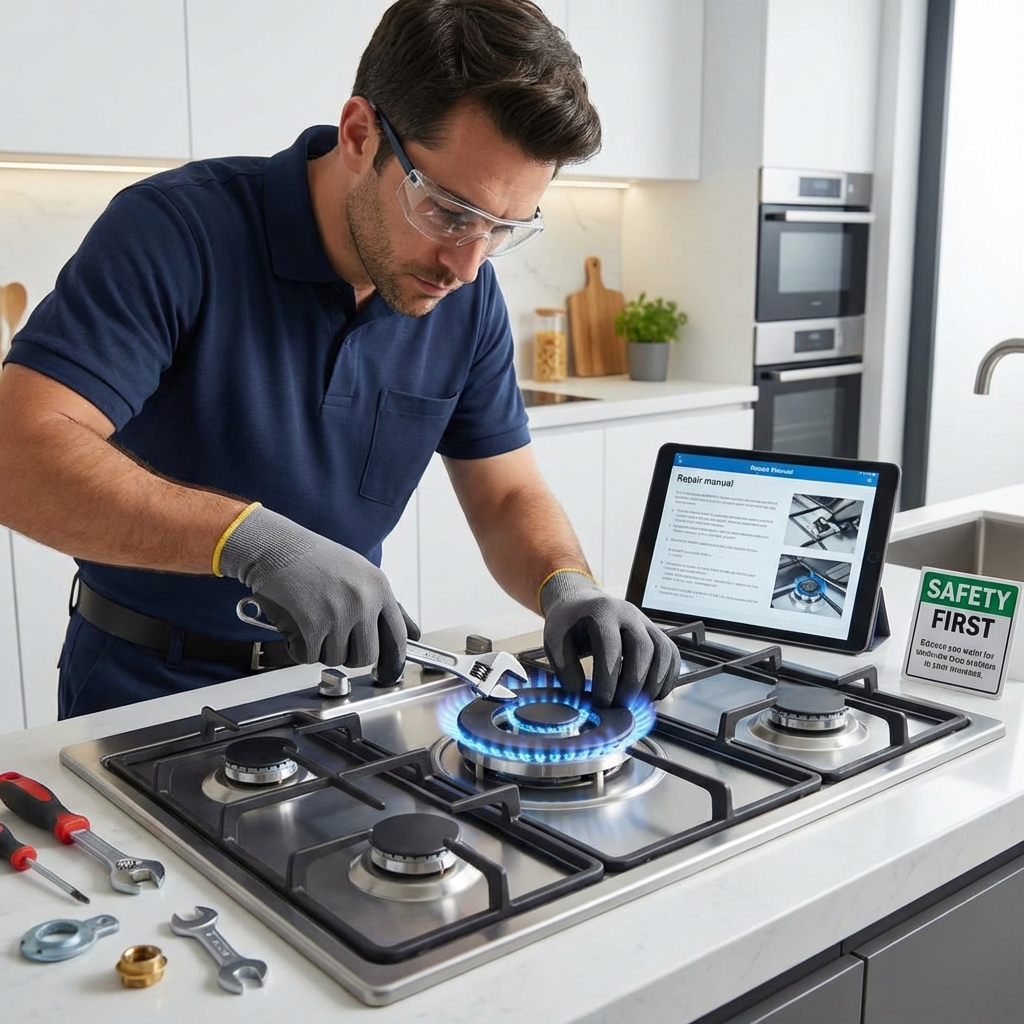
When your gas stove isn't working properly, knowing how to troubleshoot common problems can save time and money. This comprehensive guide provides step-by-step troubleshooting procedures for the most common gas stove issues, helping Toronto homeowners identify problems and determine when professional repair is needed.
Quick Answer: Comprehensive gas stove troubleshooting guide for Toronto homeowners. Step-by-step solutions for common problems, when to DIY vs call professionals, and expert repair services. This is a common issue that can usually be resolved with proper troubleshooting. If the problem persists, professional diagnosis is recommended.
General Troubleshooting Approach
SAFETY FIRST PRINCIPLES
Before You Begin
Essential safety checks:
- Ensure adequate ventilation
- Turn off gas supply if major problems suspected
- Never use matches or lighters to test for gas leaks
- Have fire extinguisher accessible
- Know location of main gas shutoff
When to Stop DIY Troubleshooting
Call professionals immediately for:
- Any gas odor or suspected leaks
- Electrical problems or sparking
- Structural damage to appliance
- Safety system malfunctions
- Carbon monoxide concerns
Basic Safety Equipment
Recommended tools:
- Flashlight for inspection
- Soap solution for leak testing
- Basic hand tools
- Digital camera for documentation
- Contact information for gas company
SYSTEMATIC TROUBLESHOOTING METHOD
Step-by-Step Approach
- Identify the specific problem
- Check obvious causes first
- Test simple solutions
- Document findings and attempts
- Know when to call professionals
Problem Documentation
Keep records of:
- Symptoms and when they occur
- What you've tried
- Any error codes or unusual sounds
- Recent changes or maintenance
- Model and serial numbers
Common Problem Categories
IGNITION PROBLEMS
Burner Won't Light
Possible causes and solutions:
No spark at all:
- Check if stove is plugged in (electric ignition)
- Verify circuit breaker hasn't tripped
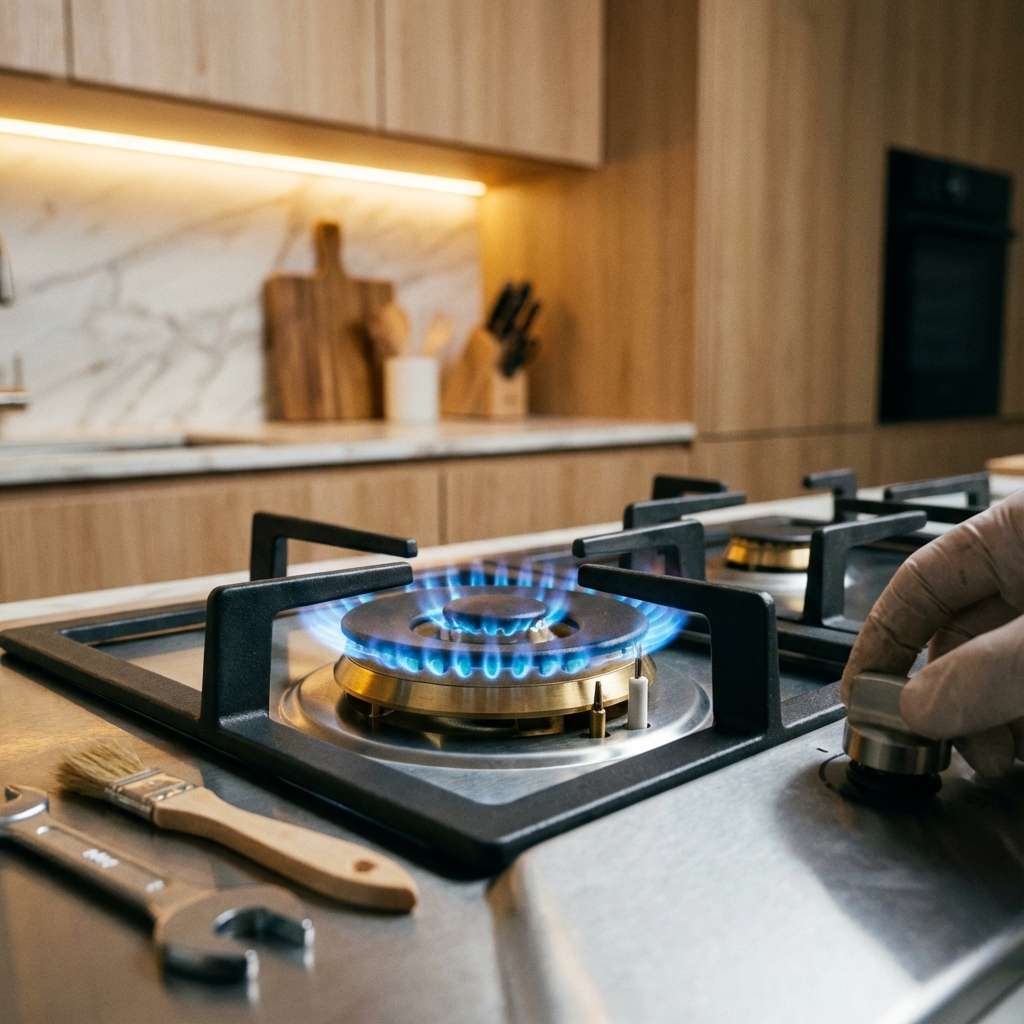
- Clean igniter electrode with soft brush
- Check for moisture in ignition system
- Test other burners to isolate problem
Spark but no ignition:
- Verify gas supply is turned on
- Check if other gas appliances work
- Clean burner ports and cap
- Ensure proper burner alignment
- Test gas flow at meter
Delayed ignition:
- Clean burner components thoroughly
- Check for proper air-to-gas mixture
- Inspect igniter positioning
- Verify gas pressure adequacy
- Look for partial blockages
Continuous Clicking
Troubleshooting steps:
- Turn off all burner controls
- Clean moisture from ignition area
- Check for stuck igniter switch
- Inspect control knob alignment
- Dry thoroughly if wet
FLAME PROBLEMS
Weak or Low Flames
Diagnostic steps:
- Check gas supply valve position
- Clean burner ports with fine wire
- Inspect for grease or food buildup
- Verify proper burner cap seating
- Test gas pressure if problem persists
Yellow or Orange Flames
Correction procedures:
- Clean burner thoroughly
- Check air shutter adjustment
- Inspect for blocked air intake
- Verify proper gas type (natural vs. propane)
- Call professional if flames remain yellow
Uneven Flames
Balancing solutions:
- Remove and clean burner components
- Check for damaged burner head
- Ensure proper alignment
- Clear all ports completely
- Replace damaged parts
HEATING PROBLEMS
Insufficient Heat Output
Investigation steps:
- Compare with other burners
- Check cookware compatibility
- Clean burner assembly
- Verify gas supply adequacy
- Test thermostat if equipped
Overheating Issues
Safety and correction:
- Turn off burner immediately
- Check for proper ventilation
- Inspect control valve operation
- Verify thermostat function
- Call professional for safety check
CONTROL PROBLEMS
Knobs Hard to Turn
Lubrication and repair:
- Remove control knobs carefully
- Clean valve stems and knobs
- Apply appropriate lubricant
- Check for worn components
- Replace if damaged
Controls Don't Respond
Electrical troubleshooting:
- Check power supply
- Inspect control connections
- Test electronic modules
- Verify sensor operation
- Reset system if applicable
Specific Troubleshooting Procedures
BURNER-SPECIFIC ISSUES
Individual Burner Problems
Isolating burner issues:
- Test each burner separately
- Compare performance between burners
- Swap burner components if possible
- Check gas supply to specific burner
- Inspect individual control valves
Multiple Burner Problems
System-wide issues:
- Check main gas supply
- Inspect manifold and distribution
- Test pressure regulator
- Verify electrical supply
- Check safety systems
ELECTRONIC SYSTEM TROUBLESHOOTING
Digital Display Problems
Display troubleshooting:
- Check power connections
- Reset control system
- Inspect display connections
- Test control module
- Replace faulty components
Error Code Interpretation
Common error codes:
- F1: Temperature sensor failure
- F2: Oven temperature too high
- F3: Open temperature sensor
- F4: Shorted temperature sensor
- F5: Electronic control failure
SAFETY SYSTEM TROUBLESHOOTING
Flame Failure Safety
Testing safety systems:
- Light burner normally
- Blow out flame while gas flows
- Verify gas shuts off automatically
- Check response time
- Test all burners
Thermocouple Testing
Thermocouple diagnosis:
- Light pilot or burner
- Hold control knob for 30 seconds
- Release and verify flame stays lit
- Check thermocouple positioning
- Test electrical continuity
Advanced Troubleshooting Techniques
GAS SYSTEM DIAGNOSIS
Pressure Testing
Professional-level testing:
- Inlet pressure measurement
- Manifold pressure verification
- Pressure drop analysis
- Flow rate testing
When to test pressure:
- Multiple burners affected
- Weak flames on all burners
- Recent gas work in area
- Seasonal performance changes
Leak Detection Methods
Safe leak testing:
- Mix soap solution (dish soap and water)
- Apply to all connections
- Look for bubbles indicating leaks
- Mark any leak locations
- Call professional for repairs
ELECTRICAL SYSTEM DIAGNOSIS
Ignition System Testing
Electrical troubleshooting:
- Check electrode gap (1/8 inch typical)
- Test spark strength and consistency
- Verify grounding connections
- Inspect wiring for damage
- Test ignition module
Control Circuit Testing
Electronic diagnostics:
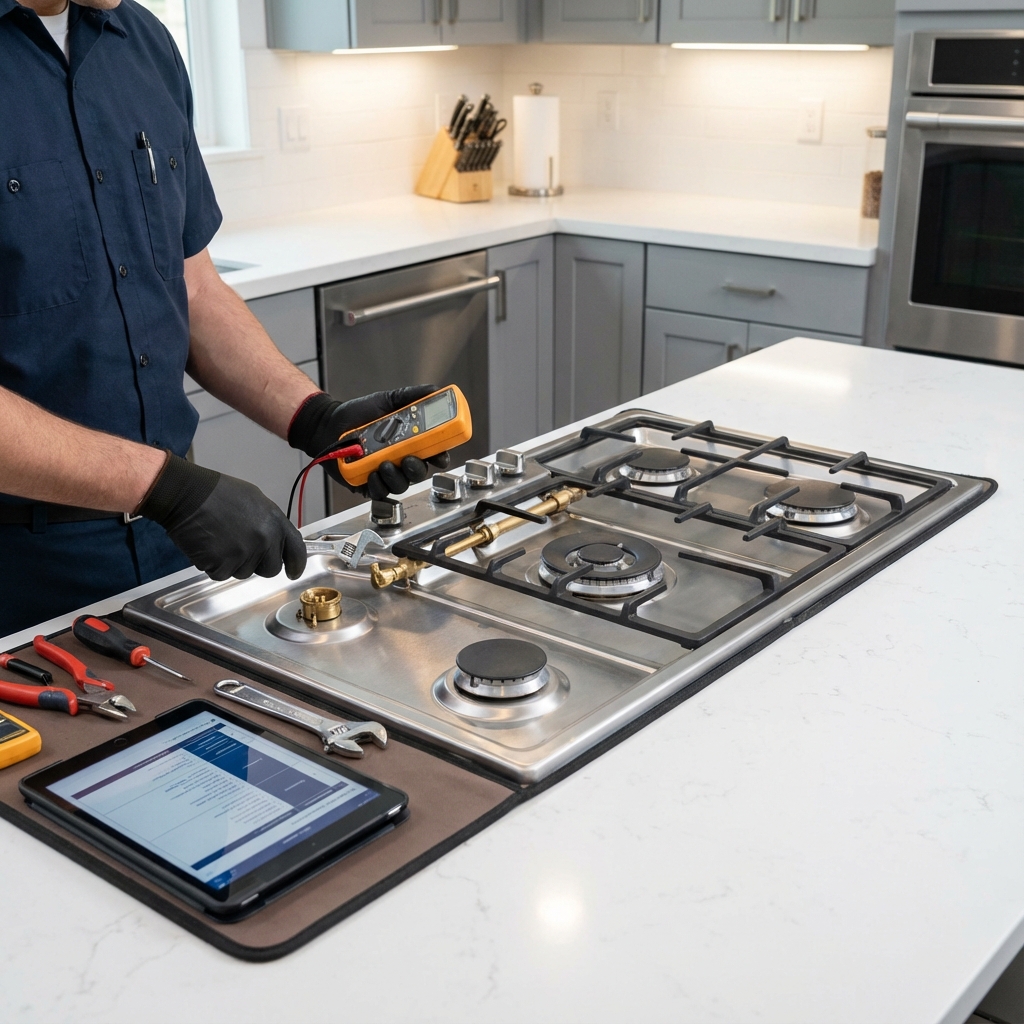
- Measure voltage at key points
- Test sensor resistance
- Check control signal integrity
- Verify safety circuit operation
- Test module programming
COMBUSTION ANALYSIS
Flame Quality Assessment
Professional evaluation:
- Flame color analysis
- Flame stability testing
- Heat output measurement
- Combustion efficiency calculation
Air-to-Gas Ratio
Mixture optimization:
- Observe flame characteristics
- Adjust primary air if accessible
- Check secondary air supply
- Verify proper combustion
- Test carbon monoxide levels
DIY vs Professional Repair Guidelines
SAFE DIY REPAIRS
Homeowner-Friendly Tasks
What you can safely do:
- Basic cleaning and maintenance
- Replacing burner caps and grates
- Cleaning igniter electrodes
- Simple control knob replacement
- Basic leak testing with soap solution
Required Tools and Skills
DIY requirements:
- Basic hand tools
- Understanding of gas safety
- Ability to follow instructions carefully
- Patience for systematic troubleshooting
- Knowledge of when to stop
WHEN TO CALL PROFESSIONALS
Gas System Work
Professional-only repairs:
- Gas line connections
- Pressure regulator adjustment
- Safety valve replacement
- Gas leak repairs
- System pressure testing
Electrical Repairs
Complex electrical work:
- Control module replacement
- Wiring repairs
- Electronic diagnostics
- Safety system repairs
- Thermostat calibration
Safety-Critical Issues
Immediate professional service:
- Any gas odor
- Carbon monoxide concerns
- Fire or explosion risk
- Complete system failure
- Safety system malfunctions
COST-BENEFIT ANALYSIS
Repair vs Replace Decisions
Consider replacement when:
- Repair costs exceed 50% of replacement cost
- Multiple major components failing
- Parts no longer available
- Safety concerns with old equipment
- Energy efficiency improvements desired
Professional Service Value
Benefits of professional repair:
- Safety assurance
- Warranty protection
- Proper diagnosis
- Quality parts and workmanship
- Code compliance
Preventive Troubleshooting
REGULAR MAINTENANCE SCHEDULE
Daily Checks
Quick daily observations:
- Flame quality and color
- Ignition responsiveness
- Control operation
- Unusual sounds or odors
- Performance consistency
Weekly Maintenance
Weekly tasks:
- Clean spills immediately
- Check burner alignment
- Test all controls
- Inspect for damage
- Monitor performance
Monthly Inspections
Comprehensive monthly checks:
- Deep clean burner components
- Test safety systems
- Check gas connections
- Inspect electrical connections
- Document any changes
SEASONAL MAINTENANCE
Winter Preparation
Cold weather readiness:
- Check ventilation systems
- Inspect for ice blockages
- Test increased usage capacity
- Verify emergency procedures
- Stock emergency supplies
Summer Maintenance
Warm weather care:
- Deep cleaning during low usage
- Check for pest intrusion
- Inspect ventilation adequacy
- Test after vacation periods
- Prepare for increased usage
USAGE OPTIMIZATION
Proper Operating Techniques
Efficient usage:
- Use appropriate cookware
- Match burner size to pot size
- Avoid overheating
- Clean spills promptly
- Follow manufacturer guidelines
Performance Monitoring
Tracking performance:
- Note cooking time changes
- Monitor gas consumption
- Track maintenance needs
- Document problem patterns
- Plan preventive service
Emergency Troubleshooting
IMMEDIATE RESPONSE PROCEDURES
Gas Odor Emergency
Emergency steps:
- Don't use electrical switches or create sparks
- Turn off gas at appliance if safely accessible
- Evacuate if odor is strong
- Call gas company emergency line
- Don't re-enter until cleared safe
Fire Emergency
Fire response:
- Turn off gas supply if safely possible
- Use appropriate fire extinguisher
- Evacuate if fire spreads
- Call fire department
- Don't use water on gas fires
Carbon Monoxide Emergency
CO response:
- Get fresh air immediately
- Turn off gas appliances
- Evacuate building
- Call 911 if symptoms present
- Seek medical attention
TEMPORARY SOLUTIONS
Safe Temporary Measures
Until professional repair:
- Use alternative cooking methods
- Ensure adequate ventilation
- Monitor for safety issues
- Document problems
- Schedule professional service
What NOT to Do
Dangerous temporary fixes:
- Bypassing safety systems
- Using inappropriate tools
- Ignoring gas odors
- Delaying necessary repairs
- Attempting complex repairs
Toronto-Specific Troubleshooting
LOCAL CONSIDERATIONS
Building Code Requirements
Toronto regulations:
- Permit requirements for major repairs
- Inspection schedules
- Safety equipment mandates
- Professional licensing requirements
Climate Factors
Weather-related issues:
- Winter heating demands
- Humidity effects on electronics
- Seasonal usage patterns
- Emergency service availability
Utility Considerations
Enbridge Gas services:
- Emergency response procedures
- Service interruption protocols
- Pressure variation patterns
- Seasonal maintenance schedules
LOCAL RESOURCES
Professional Services
Toronto repair resources:
- Certified gas technicians
- Emergency service providers
- Parts suppliers
- Warranty service centers
Emergency Contacts
Important numbers:
- Enbridge Gas Emergency: 1-866-763-5427
- Toronto Fire: 911
- Poison Control: 1-800-268-9017
- JK Appliances: (647) 560-8966
FAQ
Q: What should I check first when my gas stove won't light? A: Start with the basics - ensure the stove is plugged in, gas supply is on, and burner components are clean and properly aligned. Check if other burners work to isolate the problem.
Q: Why do my burner flames look yellow instead of blue? A: Yellow flames indicate incomplete combustion, usually from dirty burners or improper air mixture. Clean the burner thoroughly and check air intake. If flames remain yellow, call a professional.
Q: How can I tell if my gas stove has a leak? A: Use a soap solution on all gas connections and look for bubbles. Never use matches or lighters to test for leaks. If you smell gas, turn off the supply and call the gas company immediately.
Q: When should I stop trying to fix my stove myself? A: Stop immediately if you smell gas, see sparks, encounter electrical problems, or feel unsafe. Complex repairs involving gas lines, electrical systems, or safety components require professional service.
Q: How often should I clean my gas stove burners? A: Clean burner components weekly with regular use, or whenever you notice performance issues. Monthly deep cleaning helps prevent most common problems.
Q: What's the difference between problems I can fix and those requiring a professional? A: You can safely handle basic cleaning, simple part replacement, and minor adjustments. Call professionals for gas system work, electrical repairs, safety issues, or when you're unsure.
Need expert troubleshooting help? Contact JK Appliances for professional gas stove diagnosis and repair in Toronto. Our certified technicians can quickly identify and resolve complex problems that DIY troubleshooting can't solve. Call (647) 560-8966 for reliable service and peace of mind!
Common Questions People Ask
Q: Is it normal for my gas stove troubleshooting to have issues? No, this is not normal behavior and indicates an underlying issue that should be addressed promptly to prevent further damage.
Q: Can I fix this gas stove troubleshooting problem myself? Some basic issues can be resolved with DIY troubleshooting, but complex problems require professional diagnosis to avoid safety risks and warranty issues.
Q: How much does professional gas stove troubleshooting repair cost in Toronto? Repair costs typically range from $150-$400 depending on the specific issue and parts needed. Our technicians provide free estimates before any work begins.
Q: How long does gas stove troubleshooting repair take? Most repairs are completed within 1-2 hours during a single visit. Some cases may require ordering specialty parts with a follow-up appointment.
Q: Should I repair or replace my gas stove troubleshooting? If your gas stove troubleshooting is less than 8 years old and repair costs are under 50% of replacement cost, repair is usually the better value. Our technicians can help you make the right decision.
Q: Do you offer same-day gas stove troubleshooting repair in Toronto? Yes! We offer same-day and emergency repair services throughout Toronto and the Greater Toronto Area for urgent issues.
Q: What brands of gas stove troubleshooting do you repair? We service all major brands including Bosch, Samsung, LG, Whirlpool, KitchenAid, GE, Maytag, Frigidaire, Miele, and more.
Q: Is gas stove troubleshooting repair covered by warranty? Many gas stove troubleshooting issues are covered under manufacturer warranty. We can help verify your warranty status and handle claim processing.
Expert Tips & Pro Insights
💡 Pro Tip: Regular maintenance can prevent 80% of appliance problems. Follow manufacturer guidelines for cleaning and care.
⚠️ Safety Warning: Always disconnect power before attempting any repairs or inspections. If you smell gas, evacuate immediately and call emergency services.
🔧 Technician Insight: Many issues that seem complex often have simple solutions. Start with basic troubleshooting before assuming the worst.
📞 When to Call a Professional: If you encounter electrical components, gas lines, refrigerant systems, or if basic troubleshooting doesn't resolve the issue, it's time to call an expert.