Washing Machine Not Draining? Expert Repair Solutions Toronto
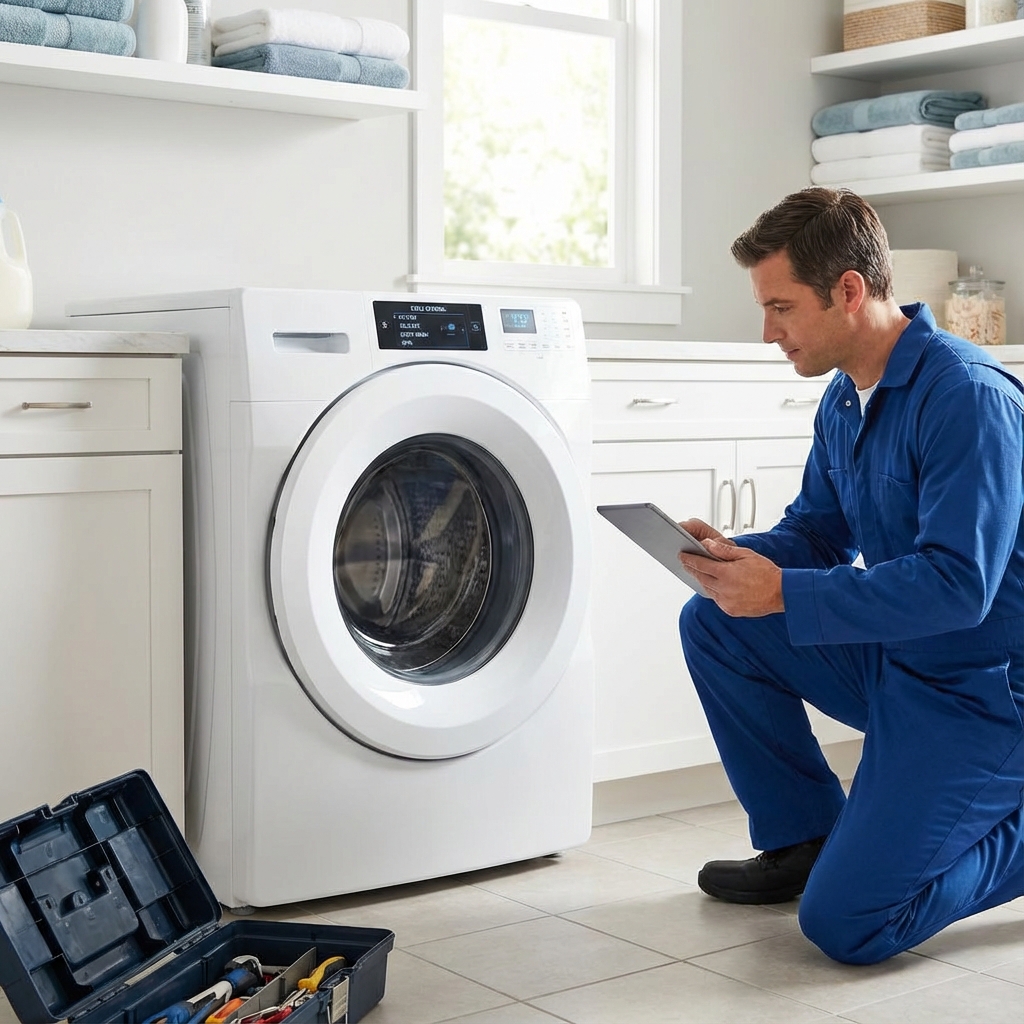
A washing machine that won't drain properly is one of the most common and frustrating laundry problems Toronto homeowners face. When water remains in the drum after a cycle, it prevents proper cleaning, creates unpleasant odors, and can lead to mold growth and mechanical damage. Understanding the drainage system, identifying the root cause, and implementing proper repair solutions ensures your washing machine returns to optimal performance quickly and reliably.
Quick Answer: Washing machine not draining water properly? Professional drainage repair and pump replacement in Toronto. Expert diagnosis from JK Appliances. This is a common issue that can usually be resolved with proper troubleshooting. If the problem persists, professional diagnosis is recommended.
Understanding Washing Machine Drainage Systems
DRAINAGE SYSTEM COMPONENTS
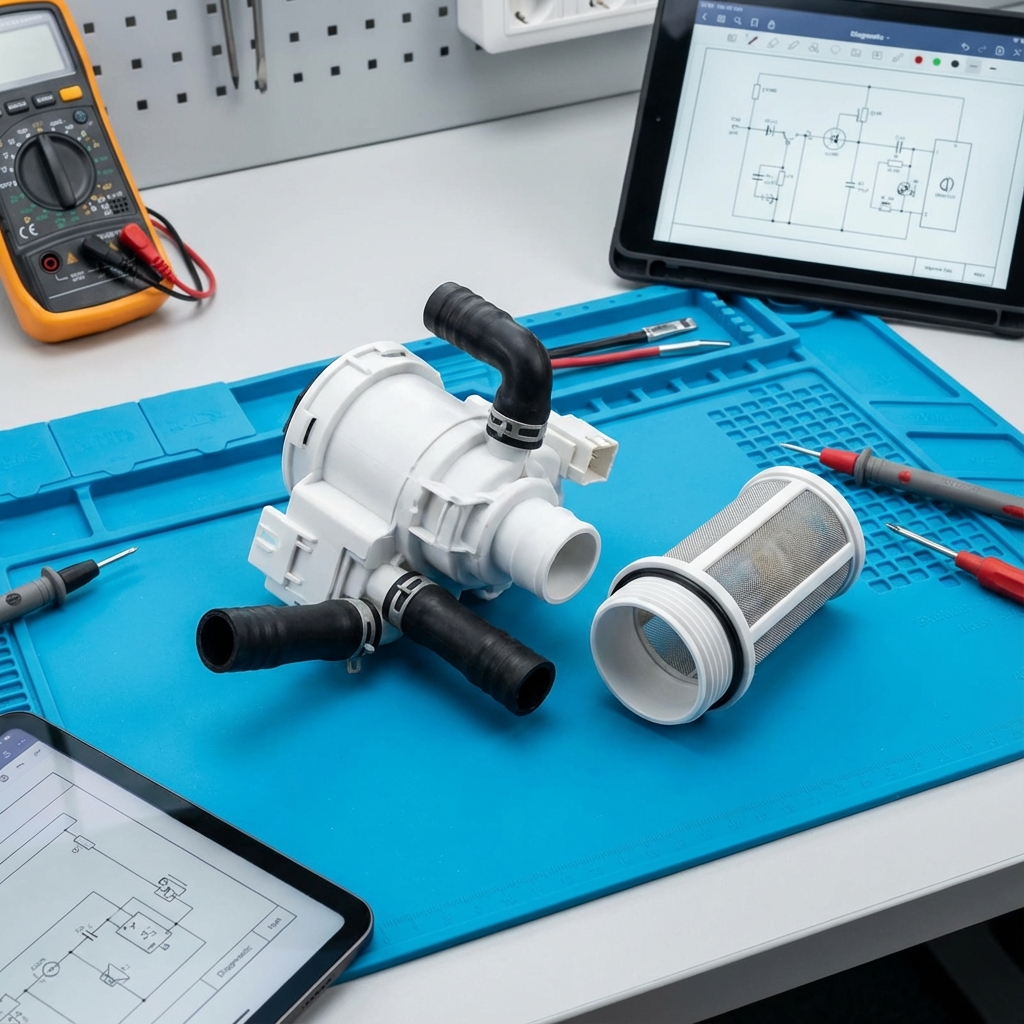
Drain Pump Assembly
Primary drainage mechanism:
- Drain pump motor: Electric motor that powers water removal
- Pump housing: Contains impeller and water flow chambers
- Impeller: Rotating component that moves water through system
- Pump filter: Catches debris before reaching pump mechanism
- Electrical connections: Power supply and control wiring
Drainage Pathways
Water flow system:
- Drain hose: Flexible hose carrying water from machine to drain
- Internal drainage: Tub-to-pump water flow channels
- Lint filter: Captures lint and debris during drainage
- Drain standpipe: House drainage connection point
- Sump area: Collection point for water before pumping
Control and Safety Systems
Drainage operation control:
- Water level sensors: Monitor water levels during drainage
- Drain cycle programming: Control board drainage timing
- Safety switches: Prevent operation during drainage problems
- Pressure switches: Detect proper water removal
- Error detection: System monitoring for drainage failures
COMMON DRAINAGE PROBLEMS
Complete Drainage Failure
No water removal:
- Standing water: Water remains in drum after cycle completion
- No pump operation: Drain pump not running during drain cycle
- Blocked drainage: Complete obstruction of water flow
- Pump failure: Mechanical or electrical pump malfunction
- Control system failure: Electronic control preventing drainage
Partial Drainage Issues
Incomplete water removal:
- Slow drainage: Water drains but takes excessive time
- Intermittent drainage: Sporadic drainage performance
- Incomplete cycles: Cycles stopping before complete drainage
- Water retention: Small amounts of water remaining in drum
- Reduced efficiency: Gradual decline in drainage performance
Drainage-Related Secondary Problems
Consequences of poor drainage:
- Odor development: Stagnant water creating unpleasant smells
- Mold and mildew: Moisture retention promoting growth
- Fabric damage: Clothes remaining wet and wrinkled
- Mechanical stress: Additional strain on machine components
- Energy waste: Extended cycles and poor efficiency
Diagnostic Procedures
INITIAL ASSESSMENT
Visual Inspection
Drainage system examination:
- Water level check: Assess amount of standing water
- Drain hose inspection: Check for kinks, clogs, or damage
- Filter examination: Inspect lint filter and pump filter
- Error code review: Check for displayed error messages
- Cycle observation: Monitor drainage attempt during operation
Basic Troubleshooting
Preliminary diagnostic steps:
- Power cycle: Reset machine to clear temporary issues
- Manual drain: Attempt manual drainage if possible
- Hose inspection: Check drain hose connection and routing
- Filter cleaning: Clean accessible filters and screens
- Cycle testing: Run drain-only cycle to isolate problem
SYSTEMATIC DIAGNOSIS
Drain Pump Testing
Pump functionality assessment:
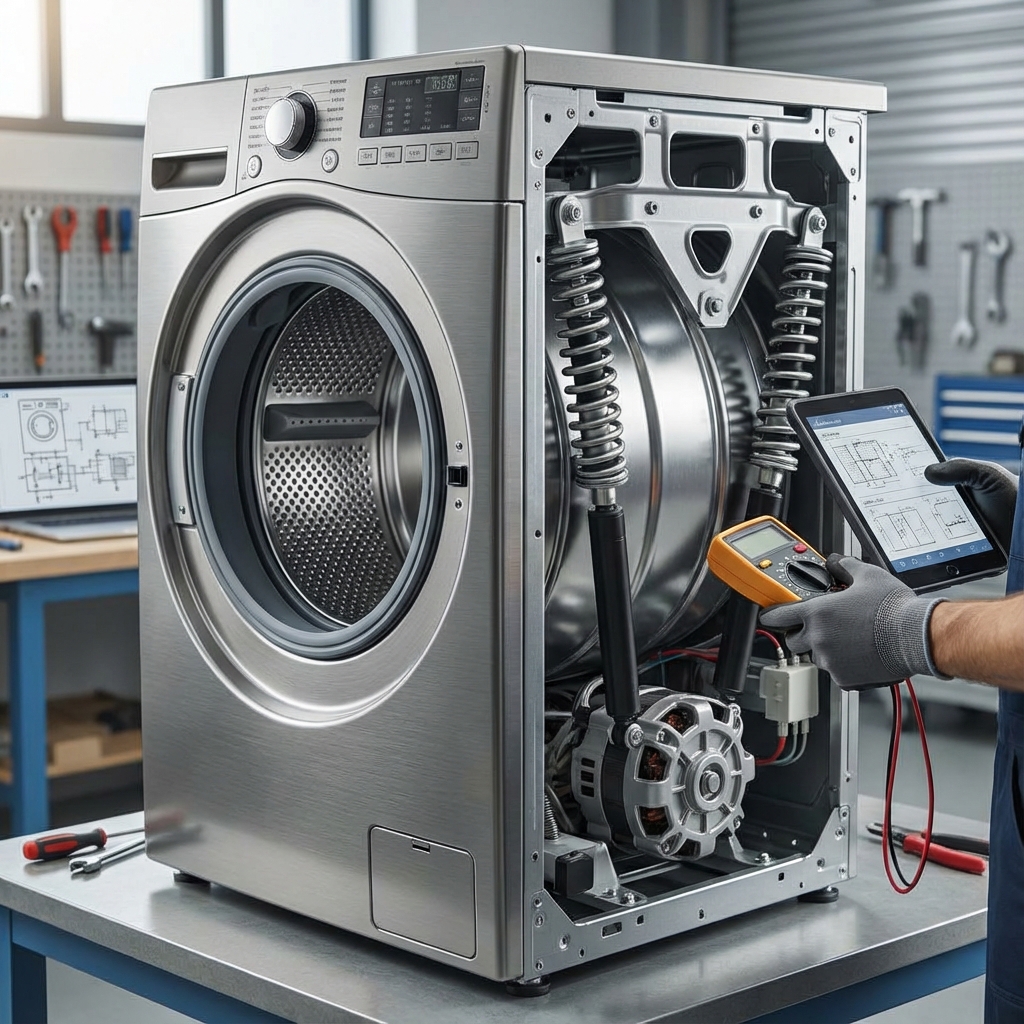
- Electrical testing: Check power supply to drain pump
- Motor operation: Verify pump motor function and rotation
- Impeller inspection: Check for blockages or damage
- Flow testing: Measure water flow rate and pressure
- Noise analysis: Listen for abnormal pump operation sounds
Drainage Pathway Evaluation
Flow system inspection:
- Internal blockages: Check tub-to-pump water pathways
- Hose examination: Inspect entire drain hose for obstructions
- Filter assessment: Evaluate all filtration components
- Standpipe inspection: Check house drainage connection
- Backflow testing: Verify proper drainage direction
Control System Diagnosis
Electronic system evaluation:
- Sensor testing: Check water level and pressure sensors
- Control board: Verify drainage cycle programming
- Wiring inspection: Check electrical connections and continuity
- Safety switch testing: Verify proper safety system operation
- Error code analysis: Interpret diagnostic error messages
Professional Drainage Repair Solutions
DRAIN PUMP REPAIR AND REPLACEMENT
Pump System Service
Comprehensive pump repair:
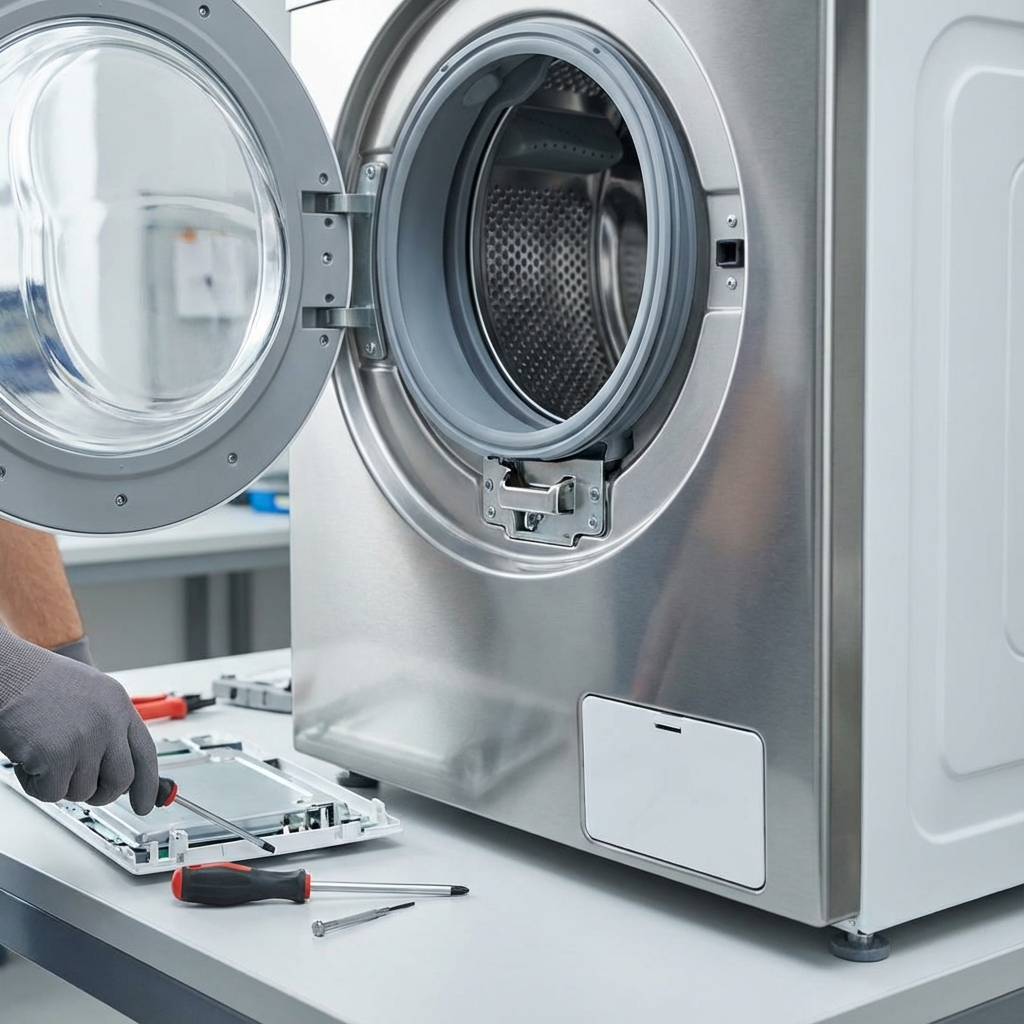
- Pump disassembly: Complete pump inspection and cleaning
- Impeller service: Remove blockages and repair damage
- Motor replacement: Install new pump motor when necessary
- Housing repair: Fix cracks or damage in pump housing
- Seal replacement: Install new seals to prevent leaks
Pump Installation and Calibration
Professional pump replacement:
- OEM part selection: Use manufacturer-specified replacement pumps
- Proper installation: Correct mounting and connection procedures
- Electrical connection: Proper wiring and safety compliance
- System testing: Comprehensive operation and performance testing
- Calibration: Adjust pump operation for optimal performance
DRAINAGE PATHWAY RESTORATION
Blockage Removal and Cleaning
Comprehensive cleaning service:
- Internal cleaning: Remove lint, debris, and soap buildup
- Hose cleaning: Clear drain hose obstructions and buildup
- Filter service: Clean or replace all filtration components
- Pathway flushing: Flush entire drainage system
- Chemical cleaning: Use appropriate cleaners for stubborn buildup
Hose and Connection Repair
Drainage infrastructure repair:
- Hose replacement: Install new drain hose when damaged
- Connection repair: Fix loose or damaged connections
- Routing optimization: Improve hose routing for better drainage
- Support installation: Proper hose support and securing
- Leak prevention: Seal all connections to prevent water damage
CONTROL SYSTEM REPAIR
Sensor and Control Repair
Electronic system restoration:
- Sensor replacement: Install new water level and pressure sensors
- Control board repair: Fix or replace drainage control circuits
- Wiring repair: Restore damaged electrical connections
- Programming update: Update or restore drainage cycle programming
- Safety system repair: Ensure proper safety switch operation
System Integration and Testing
Complete system verification:
- Component integration: Ensure proper system component interaction
- Cycle testing: Verify complete drainage cycle operation
- Performance optimization: Adjust settings for optimal drainage
- Safety verification: Confirm all safety systems function properly
- Efficiency testing: Measure drainage speed and effectiveness
JK Appliances Drainage Repair Service
EXPERT DIAGNOSIS AND REPAIR
Comprehensive Assessment
Professional evaluation:
- Complete system inspection: Thorough drainage system evaluation
- Advanced diagnostics: Professional testing equipment and procedures
- Root cause identification: Determine exact cause of drainage problems
- Repair planning: Develop comprehensive repair strategy
- Cost estimation: Transparent pricing for all repair options
Professional Repair Benefits
Expert service advantages:
- Experienced technicians: Specialized washing machine drainage expertise
- Quality parts: OEM and high-quality replacement components
- Proper tools: Professional equipment for accurate diagnosis and repair
- Warranty coverage: Comprehensive repair warranties
- Follow-up service: Post-repair support and maintenance
SERVICE COVERAGE
Toronto Area Service
Complete GTA coverage:
- Downtown Toronto: Financial District, Entertainment District
- North York: Willowdale, Don Mills, Thornhill
- Scarborough: Agincourt, Malvern, Rouge
- Etobicoke: Islington, Rexdale, Mimico
- York Region: Markham, Richmond Hill, Vaughan
Emergency Service Options
Urgent drainage repair:
- Same-day service: Emergency drainage repair available
- Priority scheduling: Urgent repair appointments
- Quick response: Rapid technician dispatch
- Immediate solutions: On-site repair completion when possible
Prevention and Maintenance
REGULAR MAINTENANCE SCHEDULE
Weekly Maintenance
Every-use care:
- Filter cleaning: Clean lint filter after each use
- Proper loading: Avoid overloading to prevent drainage strain
- Cycle completion: Allow cycles to complete fully
- Hose inspection: Check drain hose for kinks or damage
Monthly Maintenance
Monthly care tasks:
- Deep filter cleaning: Thorough cleaning of all accessible filters
- Drain hose inspection: Check entire hose length for problems
- Cleaning cycle: Run empty cleaning cycle with appropriate cleaner
- Water level check: Verify proper water level operation
Annual Professional Service
Yearly maintenance:
- Complete system inspection: Professional drainage system evaluation
- Pump service: Drain pump inspection and maintenance
- Hose replacement: Replace drain hose if showing wear
- System optimization: Adjust and calibrate drainage performance
USAGE BEST PRACTICES
Proper Loading Techniques
Drainage-friendly practices:
- Appropriate load size: Avoid overloading that strains drainage
- Fabric distribution: Distribute clothes evenly for balanced drainage
- Pocket checking: Remove items that could block drainage
- Detergent measurement: Use correct amount to prevent buildup
Cycle Selection Optimization
Optimal cycle usage:
- Appropriate cycles: Select cycles suitable for load type
- Water level settings: Use correct water levels for load size
- Spin speed: Utilize proper spin speeds for fabric types
- Extra rinse: Use additional rinses when necessary
Troubleshooting Common Issues
DIY TROUBLESHOOTING STEPS
Basic Drainage Checks
User-level diagnosis:
- Check drain hose: Ensure hose is not kinked or clogged
- Clean lint filter: Remove and clean accessible filters
- Verify power: Ensure machine has proper electrical power
- Check cycle selection: Verify correct cycle and settings
- Inspect standpipe: Check house drainage connection
Simple Maintenance Solutions
Basic maintenance fixes:
- Filter cleaning: Thorough cleaning of all accessible filters
- Hose straightening: Correct any kinks or bends in drain hose
- Cycle reset: Power cycle machine to reset control system
- Manual drainage: Use manual drain function if available
- Cleaning cycle: Run empty cleaning cycle to remove buildup
WHEN TO CALL PROFESSIONALS
Professional Service Indicators
Signs requiring expert repair:
- Complete drainage failure: No water removal during drain cycle
- Persistent problems: Drainage issues continuing after basic maintenance
- Unusual noises: Strange sounds during drainage attempts
- Error codes: Persistent error messages related to drainage
- Water damage risk: Standing water creating potential damage
Safety Considerations
Safety-related concerns:
- Electrical issues: Any electrical problems or safety concerns
- Water damage: Risk of water damage to home or flooring
- Mold development: Signs of mold or mildew from poor drainage
- Mechanical damage: Potential damage to machine components
- Warranty protection: Maintaining manufacturer warranty coverage
Cost Considerations and Value
REPAIR COSTS
Typical Repair Expenses
Drainage repair pricing:
- Filter cleaning/replacement: $50-100 for filter service
- Drain hose replacement: $75-150 for hose and installation
- Pump repair: $150-250 for pump service and minor repairs
- Pump replacement: $200-400 for complete pump replacement
- Control system repair: $150-300 for sensor and control repairs
Cost vs. Replacement Analysis
Repair decision factors:
- Machine age: Cost-effective for machines under 8 years
- Repair complexity: Simple vs. complex drainage problems
- Overall condition: Consider other machine problems
- Energy efficiency: Impact on overall machine performance
LONG-TERM VALUE
Repair Investment Benefits
Professional repair advantages:
- Extended lifespan: 3-5 additional years of reliable service
- Improved performance: Better cleaning and efficiency
- Problem prevention: Reduced risk of future drainage issues
- Energy efficiency: Proper drainage improves overall efficiency
- Home protection: Prevent water damage and mold issues
Prevention Savings
Maintenance investment:
- Reduced repairs: Regular maintenance
Common Questions People Ask
Q: Is it normal for my washing machine not draining to draining? expert repair solutions toronto? No, this is not normal behavior and indicates an underlying issue that should be addressed promptly to prevent further damage.
Q: Can I fix this washing machine not draining problem myself? Some basic issues can be resolved with DIY troubleshooting, but complex problems require professional diagnosis to avoid safety risks and warranty issues.
Q: How much does professional washing machine not draining repair cost in Toronto? Repair costs typically range from $150-$400 depending on the specific issue and parts needed. Our technicians provide free estimates before any work begins.
Q: How long does washing machine not draining repair take? Most repairs are completed within 1-2 hours during a single visit. Some cases may require ordering specialty parts with a follow-up appointment.
Q: Should I repair or replace my washing machine not draining? If your washing machine not draining is less than 8 years old and repair costs are under 50% of replacement cost, repair is usually the better value. Our technicians can help you make the right decision.
Q: Do you offer same-day washing machine not draining repair in Toronto? Yes! We offer same-day and emergency repair services throughout Toronto and the Greater Toronto Area for urgent issues.
Q: What brands of washing machine not draining do you repair? We service all major brands including Bosch, Samsung, LG, Whirlpool, KitchenAid, GE, Maytag, Frigidaire, Miele, and more.
Q: Is washing machine not draining repair covered by warranty? Many washing machine not draining issues are covered under manufacturer warranty. We can help verify your warranty status and handle claim processing.
prevents major failures
- Extended component life: Proper care extends drainage system life
- Energy savings: Efficient drainage reduces cycle times and energy use
- Water conservation: Proper drainage prevents water waste
- Home value: Well-maintained appliances enhance property value
Frequently Asked Questions About Washing Machine Drainage Problems
Q: Why is my washing machine not draining water? A: Washing machine drainage failure typically results from four main causes: a clogged drain pump (60% of cases) blocked by lint, coins, or small objects; a kinked or clogged drain hose restricting water flow; dirty or blocked filters preventing proper drainage; or a faulty drain pump motor that has failed electrically or mechanically. Less common causes include control board malfunctions, faulty water level sensors, or house plumbing backups. Start diagnosis by checking the drain hose for kinks, cleaning all accessible filters, and listening for drain pump operation during the drain cycle.
Q: Can I fix a washing machine drainage problem myself? A: Yes, many drainage issues are DIY-fixable through basic maintenance: cleaning the lint filter and pump filter (unscrew panel at front bottom), straightening kinked drain hoses, removing visible blockages from the pump, and ensuring the drain hose isn't inserted too far into the standpipe. However, drain pump motor replacement requires disassembling the machine, disconnecting electrical connections, and proper pump installation—tasks best left to professionals. Control board issues, sensor failures, and internal drainage pathway blockages also require professional expertise and specialized diagnostic equipment.
Q: How much does it cost to fix a washing machine that won't drain in Toronto? A: Washing machine drainage repair costs in Toronto range from $50-400 depending on the problem's complexity. Filter cleaning service costs $50-100, drain hose replacement runs $75-150, drain pump repair (clearing blockages) costs $150-250, complete pump replacement is $200-400, and control system/sensor repairs typically run $150-300. At JK Appliances, diagnostic fees ($89-120) are waived when you approve repairs. Most drainage problems are resolved for under $300 including parts, labor, and warranty.
Q: How often should I clean my washing machine's drain filter? A: Clean the lint filter basket after every wash load to prevent buildup. The drain pump filter (accessed through the small door at the machine's front bottom) should be cleaned monthly for average use, or every 2 weeks if you wash heavily soiled items, have pets, or do laundry daily. Signs you need immediate filter cleaning include slow drainage, clothes remaining wet after spin, unusual pump noises, or error codes. Annual professional service includes deep cleaning of internal drainage pathways and pump inspection.
Q: When should I replace my washing machine instead of repairing drainage issues? A: Consider replacement over repair if: repair costs exceed 50% of a comparable new machine's price, your washing machine is over 10 years old with multiple recurring problems, the machine requires a second major repair within 12 months, you're experiencing frequent breakdowns affecting your household, or energy bills have increased significantly due to poor efficiency. For machines under 8 years old with isolated drainage problems, repair is almost always more economical. A $250 pump replacement on a 5-year-old machine makes financial sense compared to a $800-1500 new washer.
Q: What should I do if water won't drain from my washing machine? A: For immediate action: First, stop the cycle and turn off the machine. Second, manually drain the water using the emergency drain hose (small hose near pump filter) or by removing the pump filter slowly with towels ready—expect 1-2 gallons of water. Third, check for and remove any visible blockages from the pump area. Fourth, inspect thedrain hose for kinks or clogs. Fifth, try running a drain/spin-only cycle to see if the pump attempts to run. If these steps don't resolve the issue or if you hear grinding/no pump noise, call JK Appliances for professional diagnosis to prevent motor damage or flooding.
Q: How do I know if my washing machine drain pump is broken? A: A failed drain pump shows several symptoms: complete silence when the drain cycle activates (pump motor not running), a loud grinding or rattling noise from the pump area indicating mechanical failure, a humming sound without water movement suggesting a stuck impeller, error codes specifically related to drainage (varies by brand), or water draining extremely slowly over 15-20 minutes. To test, manually spin the pump impeller (access through pump filter opening)—it should rotate freely. If stuck, broken, or loose, the pump needs replacement.
Q: Why does my washing machine drain slowly? A: Slow drainage (taking 10+ minutes to empty) indicates partial blockages rather than complete failure. Common causes include: partially clogged drain hose with lint or soap buildup, dirty pump filter restricting flow but not completely blocked, weak or failing drain pump motor running at reduced power, excessive detergent causing foam that slows drainage, or house plumbing issues like partial standpipe clogs. Additionally, kinked drain hoses, drain hoses inserted too far into standpipes creating siphon issues, or using the wrong detergent type (regular instead of HE) can cause slow drainage requiring professional clearing.
Q: Can a clogged drain hose cause my washing machine not to drain? A: Absolutely. The drain hose is a common drainage failure point—lint, fiber buildup, soap scum, and small objects accumulate inside over time, especially in the corrugated interior. A completely clogged hose prevents all drainage, while partial clogs cause slow drainage. Kinks or crushing from being positioned behind the machine also restrict flow. To check, disconnect the hose from both the machine and standpipe, look through it for light passage, and flush with hot water. Replace drain hoses every 5-7 years as preventive maintenance, or immediately if showing cracks, bulges, or permanent kinks.
Q: What causes a washing machine drain pump to fail? A: Drain pump failure results from several factors: foreign objects (coins, bobby pins, buttons, etc.) jamming the impeller and burning out the motor, normal wear after 8-12 years of use with bearings and seals deteriorating, excessive lint and debris accumulation causing mechanical resistance and overheating, bearing seizure from age or water damage, electrical failures including burnt windings or failed capacitors, and using excessive detergent creating foam that overworks the pump. Overloading the washer, washing items with excessive lint, and skipping regular filter cleaning significantly accelerate pump wear and failure.
Q: Is standing water in my washing machine after a cycle dangerous? A: Yes, standing water creates multiple hazards beyond inconvenience: mold and mildew growth begins within 24-48 hours creating health risks and permanent odors, stagnant water breeds bacteria that transfer to subsequent laundry loads, prolonged water exposure damages drum bearings and motor components causing additional failures, the weight strains suspension systems and door seals, and worst case, overflowing water during the next cycle causes flooding and home water damage. Never leave water standing—manually drain immediately using the emergency drain function and schedule repair within 24 hours to prevent compounding damage.
Q: How can I prevent future washing machine drainage problems? A: Implement these prevention strategies: Clean the lint filter after every load without exception, perform monthly pump filter cleaning (access through front panel), use only HE detergent in the correct amounts (excess causes buildup), check pockets before washing to remove coins and small objects, run monthly cleaning cycles with washing machine cleaner or vinegar, inspect and straighten drain hose quarterly, avoid overloading which strains drainage systems, ensure proper drain hose installation with high loop preventing backflow, and schedule annual professional maintenance including pump inspection, internal pathway cleaning, and hose replacement if needed. These habits extend pump life by 3-5 years and prevent 80% of drainage failures.
Related Articles
- Washing Machine Not Spinning? Expert Spin Cycle Repair Toronto
- Washing Machine Not Cleaning Properly? Expert Cleaning Performance Repair Toronto
- Washing Machine Noise Problems? Expert Noise Repair Toronto
- Washing Machine Odor Issues? Expert Odor Elimination Toronto
- Professional Washing Machine Installation Service Toronto
Washing machine not draining in Toronto? Contact JK Appliances at +1 647-560-8966 for expert drainage repair service. Same-day service available for urgent drainage problems.
Expert Tips & Pro Insights
💡 Pro Tip: Regular maintenance can prevent 80% of appliance problems. Follow manufacturer guidelines for cleaning and care.
⚠️ Safety Warning: Always disconnect power before attempting any repairs or inspections. If you smell gas, evacuate immediately and call emergency services.
🔧 Technician Insight: Many issues that seem complex often have simple solutions. Start with basic troubleshooting before assuming the worst.
📞 When to Call a Professional: If you encounter electrical components, gas lines, refrigerant systems, or if basic troubleshooting doesn't resolve the issue, it's time to call an expert.